
Magazine › Garden & Landscape
Unlock the Power of Rain Gardens to Transform Urban Spaces
Discover the urban oasis that is revolutionizing cityscapes worldwide in our blog, "Rain Gardens: Combating Urban Water Runoff." Explore how these ingeniously designed gardens combat urban water runoff, filter pollutants, and support local ecosystems. From enhancing biodiversity to reducing erosion,
By the Ander Baher Editorial Desk · 26 October 2023

In a world where urbanization is on the rise, managing the effects of heavy rainfall in densely populated areas has become an increasingly critical issue. The proliferation of paved surfaces, buildings, and roads has disrupted the natural water cycle, leading to excess water runoff that can cause flooding, erosion, and pollution. Fortunately, there's a sustainable solution that not only addresses these problems but also adds beauty and biodiversity to our urban landscapes – rain gardens. These ingeniously designed gardens play a vital role in absorbing rainwater runoff, reducing pollution, and supporting local ecosystems.
Understanding Rain Gardens
Rain gardens are not your typical gardens; they are uniquely engineered to mitigate the environmental impacts of urbanization. These gardens are strategically placed in areas where they can intercept stormwater runoff, preventing it from overwhelming drainage systems or flooding streets. The concept behind rain gardens is simple yet effective – to create depressions or basins in the landscape that allow water to collect and infiltrate into the ground naturally.
How Rain Gardens Combat Urban Water Runoff
Absorbing Rainwater: Rain gardens capture and store rainwater, allowing it to slowly seep into the ground. This natural infiltration process replenishes groundwater reserves, reducing the burden on stormwater infrastructure.
Filtration of Pollutants: As rainwater flows into these gardens, it is filtered through layers of soil and vegetation. This natural filtration process removes harmful pollutants such as oil, heavy metals, and fertilizers, preventing them from entering local water bodies.
Enhancing Biodiversity: Rain gardens are planted with a variety of native vegetation specially chosen for their ability to thrive in both wet and dry conditions. These plants not only add aesthetic appeal to urban areas but also create habitat and food sources for local wildlife, from butterflies to birds.
Preventing Erosion: By slowing down the flow of stormwater, rain gardens reduce erosion in urban areas. This not only preserves the integrity of the landscape but also protects water quality by preventing sediment from entering waterways.
The Beauty of Rain Gardens
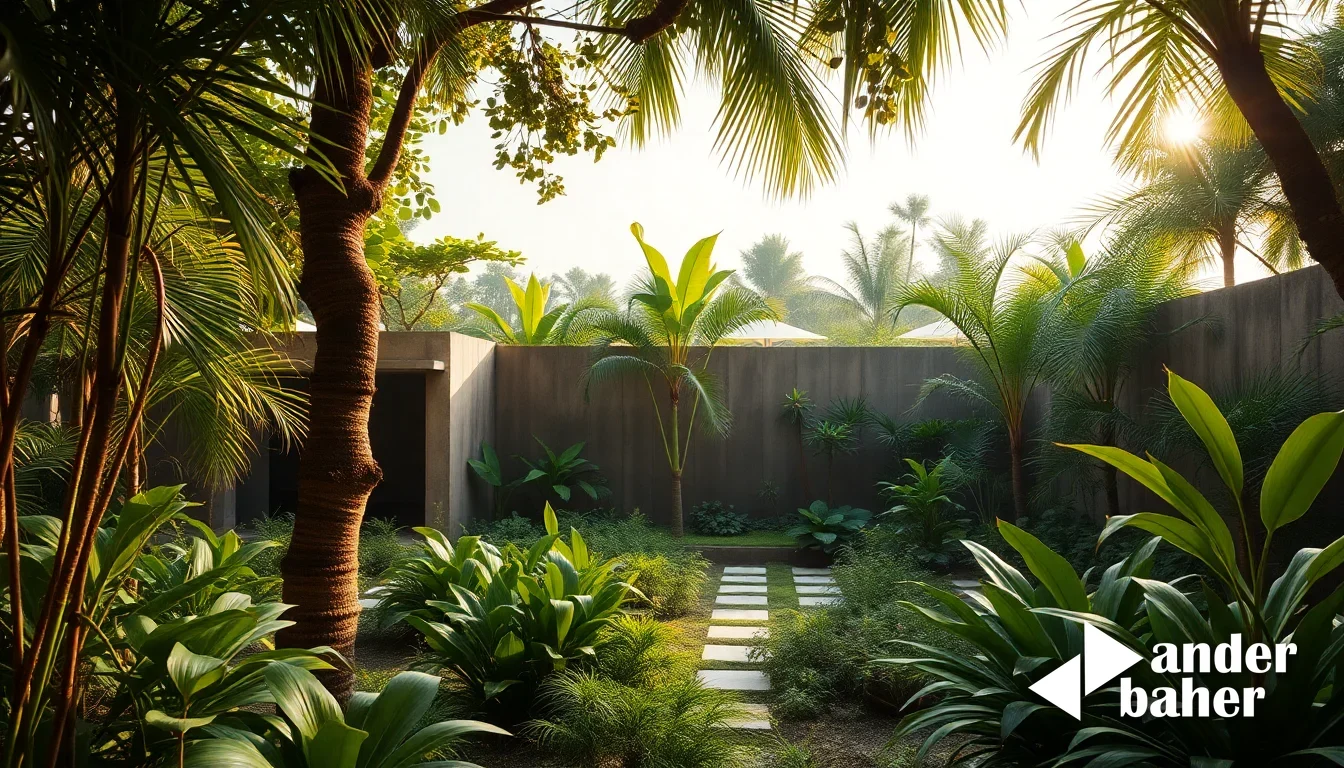
One of the most remarkable aspects of rain gardens is their aesthetic appeal. These gardens come in all shapes and sizes, from small residential installations to larger community projects. Their lush, diverse plantings and attractive design elements make them not only a functional solution but also a visually pleasing addition to any urban setting. With colorful blooms, textured foliage, and the gentle sound of rainwater trickling through, rain gardens bring a touch of nature to concrete jungles.
Getting Started with Your Rain Garden
Interested in creating your own rain garden? Here are some steps to get started:
Site Selection: Identify an area in your yard or community that receives stormwater runoff, ideally a low-lying spot.
Design: Plan the layout of your rain garden, considering the size, shape, and appropriate native plants for your region.
Excavation: Dig a shallow basin, ensuring proper drainage, and incorporate a mix of sandy soil to aid infiltration.
Planting: Select native plants that thrive in wet and dry conditions. These plants should also be low-maintenance, requiring minimal watering or fertilization.
Maintenance: Regularly tend to your rain garden, removing debris and ensuring that plants are healthy and thriving.
Rain gardens are a shining example of how we can harmonize our urban environments with the natural world. These gardens not only combat urban water runoff and pollution but also bring aesthetic and ecological benefits to our communities. By creating your own rain garden or supporting larger-scale projects, you can contribute to a greener, more sustainable, and beautiful urban landscape. Rain gardens are a testament to the power of thoughtful design in solving modern environmental challenges while adding a touch of nature to our lives.
Facebook Twitter LinkedInStill need help?
Get in touch with us
Frequently asked
How do rain gardens reduce urban flooding and improve water management?
Rain gardens intercept stormwater runoff by creating shallow basins that allow water to infiltrate naturally into the ground, replenishing groundwater reserves and reducing pressure on overwhelmed drainage systems.
What plants work best in rain gardens for Indian climates?
Native vegetation adapted to both wet and dry conditions thrives in rain gardens; species selection depends on your region's rainfall patterns and soil composition, ensuring minimal maintenance while supporting local biodiversity.
Can rain gardens improve water quality in urban areas?
Yes—as rainwater filters through layered soil and vegetation, the natural filtration process removes harmful pollutants like oil, heavy metals, and excess fertilizers before they reach local water bodies.

Ready to transform your space — inside or out?
Tell us a little about your home or office. We'll get back within one working day.
Book a consultation