
Magazine › Garden & Landscape
Unlock the Potential of Vertical Gardens: Revitalize Urban Spaces
Discover the magic of vertical gardens in urban spaces – maximizing greenery, purifying the air, and transforming concrete into a lush oasis. Join us in this green revolution!
By the Ander Baher Editorial Desk · 23 October 2023
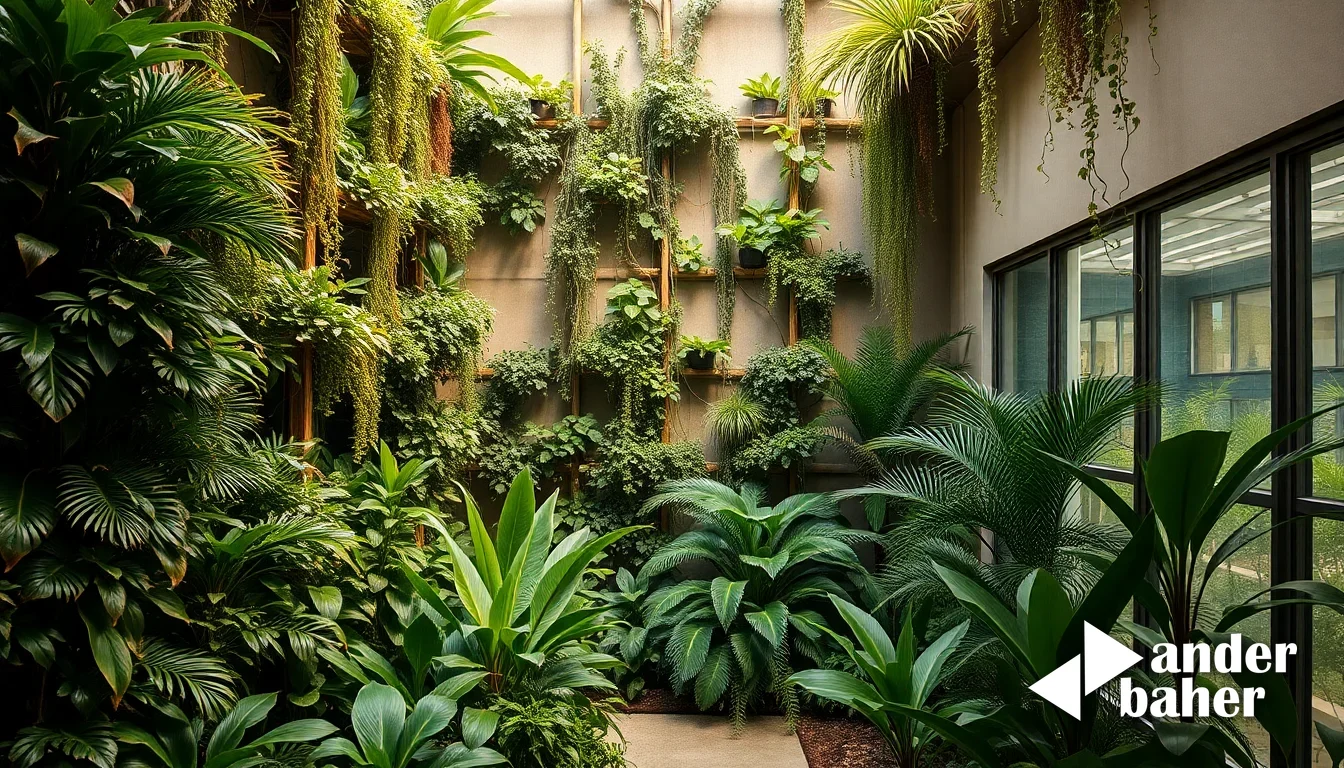
In the concrete jungles of our modern cities, where the hustle and bustle of daily life often overshadows nature's beauty, there's a growing trend that's changing the landscape, quite literally. Vertical gardens, also known as living walls, have taken the world of design and architecture by storm, offering an innovative solution to maximize green spaces in urban areas. These living artworks not only enhance the aesthetics of urban spaces but also contribute to the well-being of city dwellers in ways that are truly awe-inspiring.
In the heart of cityscapes where space is a premium commodity, vertical gardens are like a breath of fresh air – literally! Let's explore the fascinating world of vertical gardens and how they are redefining our urban environments.
A Breath of Fresh Air
In urban environments, where pollution levels often soar to alarming heights, the need for clean, fresh air cannot be overstated. Vertical gardens serve as natural air purifiers, providing a lush oasis of oxygen-producing greenery in the midst of concrete and steel. Plants such as ferns, spider plants, and philodendrons are popular choices for their air-purifying qualities, making the air we breathe healthier for all.
Maximizing Space in Urban Areas
The scarcity of open spaces in cities has forced architects and designers to think vertically. Vertical gardens are ingenious in their ability to make the most of limited square footage. Whether it's a small backyard or a narrow alleyway, these living walls can be tailored to fit virtually any space. By growing upwards rather than outwards, urban areas can create thriving green environments without compromising on the living space.
Aesthetic Appeal
One of the most captivating aspects of vertical gardens is their aesthetic appeal. They bring life and vibrancy to otherwise sterile facades and walls. Imagine walking down a busy street and being greeted by a cascade of colorful flowers and lush greenery on the walls of buildings. It's an instant mood-lifter and a welcome change from the monotony of concrete.
Temperature Regulation
Vertical gardens act as natural insulators, regulating temperature in urban spaces. They can keep buildings cooler in the summer and provide insulation during the winter. The greenery not only offers shade but also reduces the urban heat island effect, where cities experience higher temperatures due to concentrated human activities and structures.
Biodiversity in the City
Vertical gardens are not limited to just ornamental plants. They can also host a variety of herbs, vegetables, and even small fruit trees. This urban farming aspect is a step towards sustainability and food self-sufficiency. The integration of food-producing plants into vertical gardens is not only environmentally friendly but also a practical solution for the city's needs.
A Relaxing Oasis
In the hustle and bustle of city life, the serenity of nature is often a distant memory. Vertical gardens offer a soothing escape. Whether it's a small courtyard in a residential building or a peaceful corner in a public space, these green installations provide an opportunity for city dwellers to reconnect with nature and find respite from their busy lives.
Environmental Benefits
Vertical gardens also bring a host of environmental benefits. They can capture rainwater, reduce stormwater runoff, and improve overall air quality. By providing a habitat for birds and insects, they contribute to urban biodiversity. They also serve as a powerful symbol of a city's commitment to sustainability and eco-conscious living.
In conclusion, vertical gardens are more than just a design trend; they're a transformation of urban living spaces. They offer a green revolution in the heart of the concrete jungle, providing cleaner air, space optimization, aesthetic appeal, temperature regulation, biodiversity, and a relaxing oasis. As we move towards a more sustainable future, vertical gardens are a testament to the harmonious coexistence of nature and urban life, a testament that design and architecture firms are taking to heart. So, whether you're a city planner, architect, or an urban dweller, embrace the vertical garden revolution and watch your city flourish in green splendor.
Facebook Twitter LinkedInStill need help?
Get in touch with us
Frequently asked
How do vertical gardens improve air quality in dense urban environments?
Vertical gardens function as natural air purifiers, with plants like ferns, spider plants, and philodendrons actively producing oxygen and filtering pollutants. This creates measurably healthier air in congested city spaces where pollution levels are typically elevated.
Can vertical gardens work in small residential spaces like apartments?
Yes. Vertical gardens are specifically engineered for space-constrained settings—from modest balconies to narrow courtyards. By growing upwards rather than outwards, they maximize greenery without consuming precious square footage.
What plants are best suited for vertical garden installations?
Air-purifying varieties such as ferns, spider plants, and philodendrons thrive in vertical setups, though vertical gardens can also accommodate herbs, vegetables, and small fruit trees for practical urban farming applications.



Ready to transform your space — inside or out?
Tell us a little about your home or office. We'll get back within one working day.
Book a consultation