
Magazine › Garden & Landscape
Unlock the Majestic Beauty of Mughal Gardens: A Timeless Architectural Marvel
Mughal Gardens: History and Design Elements" invites you on a captivating journey through the enchanting world of Mughal gardens. Discover the origins of these stunning landscapes rooted in Persian and Timurid traditions, and witness how the Mughal emperors transformed them into unique paradises. Th
By the Ander Baher Editorial Desk · 23 October 2023
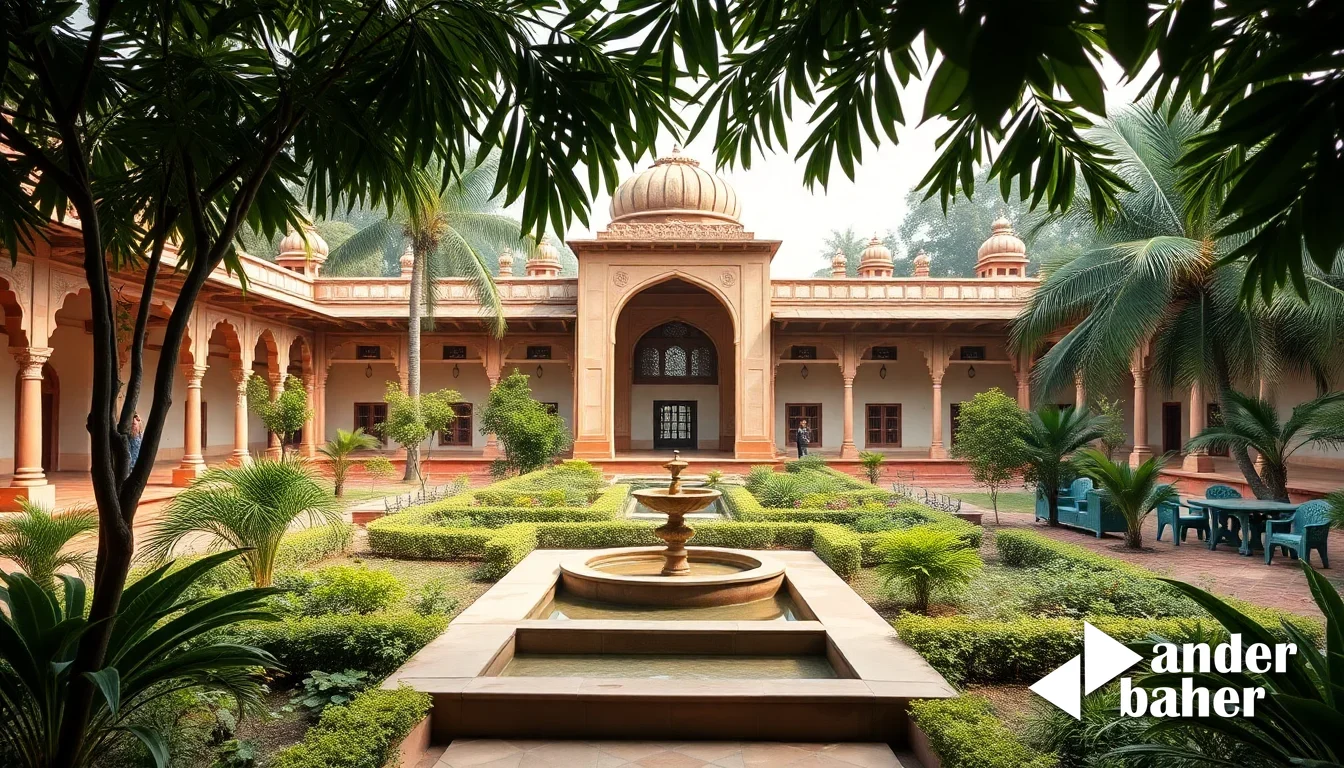
Mughal gardens are an enchanting blend of history, art, and nature, showcasing the architectural and horticultural genius of the Mughal Empire. These iconic masterpieces, which flourished from the early 16th to mid-19th century, continue to captivate garden enthusiasts and inspire landscape architects globally. In this blog, we explore their rich history and enduring design elements.
The Historical Roots of Mughal Garden Design
The origin of these magnificent gardens lies in Persian and Timurid influences, known for their symmetry and curated plant selections. When Babur, the first Mughal emperor, came to power in India, his love for gardens became integral to Mughal architecture. His successors, particularly Emperor Akbar, took the Persian garden layout and gave it a uniquely Mughal identity, blending art with nature.
Key Elements of Mughal Gardens' Timeless Appeal
Geometric Precision: One defining characteristic of Mughal gardens is their symmetrical, geometric layouts. Often arranged in squares or rectangles, these designs emphasize balance and order through pathways and water channels—hallmarks of Mughal aesthetic principles.
Water Features in Mughal Gardens: Water is central to the beauty and function of these gardens. The Charbagh layout (meaning "four gardens") prominently features a central water channel or pool, which reflects surrounding architecture and cools the atmosphere. Fountains and cascades further add to the sense of tranquility.
Plant Variety and Selection: A hallmark of these historic landscapes is their careful plant selection. Fragrant flowers, fruit-bearing trees, and manicured lawns create lush, immersive environments. Roses, jasmine, and cypress trees were especially beloved by the Mughal rulers and continue to influence garden designs today.
Chahar Bagh Layout: The Chahar Bagh (four-part garden) symbolizes paradise in Islamic tradition, with four quadrants separated by water channels and walkways. This layout provides not only visual appeal but also spiritual significance, representing the rivers of paradise.
Architectural Features Enhancing Mughal Gardens
At the center of many of these gardens are architectural elements like pavilions or raised platforms offering panoramic views. These structures are often intricately carved and inlaid with semi-precious stones, further elevating the visual impact of the garden space.
The Lasting Influence of Mughal Gardens on Modern Landscape Design
The influence of these historical gardens stretches far beyond India. Versailles in France and modern urban parks worldwide reflect the symmetry, beauty, and harmony that these designs perfected. Today, landscape architects continue to draw inspiration from these timeless elements.
The legacy of Mughal gardens shows how the fusion of art, nature, and architecture can create breathtaking landscapes. The next time you encounter a beautifully designed garden, remember the lasting impact of this historical garden design tradition.
Facebook Twitter LinkedInStill need help?
Get in touch with us
Frequently asked
What are the core design principles of a Mughal garden that modern architects reference?
Mughal gardens distil to geometric precision, central water features (Charbagh), and carefully curated plant palettes—roses, jasmine, cypress—arranged in symmetrical quadrants that balance visual harmony with spiritual significance.
How can I incorporate Mughal garden elements into a contemporary residential landscape?
Consider a water-centred layout with formal pathways, fragrant plantings, and perhaps a pavilion or raised seating platform; the discipline of symmetry and the cooling presence of water translate gracefully into modern settings, particularly in Bengaluru and Mumbai's maturing gardens.
Why do landscape architects still draw from historical Mughal design?
Because the fusion of art, nature, and architecture in these gardens achieved what remains elusive: landscapes that are simultaneously serene, structurally sound, and spiritually resonant—a template that transcends era and geography.
Ready to transform your space — inside or out?
Tell us a little about your home or office. We'll get back within one working day.
Book a consultation