
Magazine › Garden & Landscape
Unlock Serenity with Feng Shui in Indian Landscape Design
Explore the fusion of Feng Shui and Indian landscape design in 'Serenity in Bloom.' Find balance, energy, and tranquility in gardens that blend ancient wisdom and cultural richness. Experience harmonious energy pathways, symbolic plant choices, and serene water features that create spiritually enric
By the Ander Baher Editorial Desk · 23 October 2023

Landscape design is an art that transcends boundaries, cultures, and beliefs. It is a testament to our deep-seated desire for harmony and beauty. In the diverse tapestry of Indian culture, gardens have always played a vital role, not only as a space for relaxation but also as a reflection of our spiritual connection with nature. As the world continues to embrace various philosophies and practices, the integration of Feng Shui principles into Indian landscape design has emerged as a harmonious fusion. In this blog, we explore the profound synergy between these two traditions, aiming to create outdoor spaces that exude tranquility and balance.
Feng Shui and Its Significance
Feng Shui, originating in ancient China, is a practice that emphasizes the relationship between humans and their environment. It seeks to create a harmonious balance between the natural elements - Earth, Water, Wood, Fire, and Metal. Each element is associated with specific qualities, and their balance or imbalance can have a profound impact on the energy, or 'chi,' that flows through a space.
Integrating Feng Shui Principles in Indian Gardens
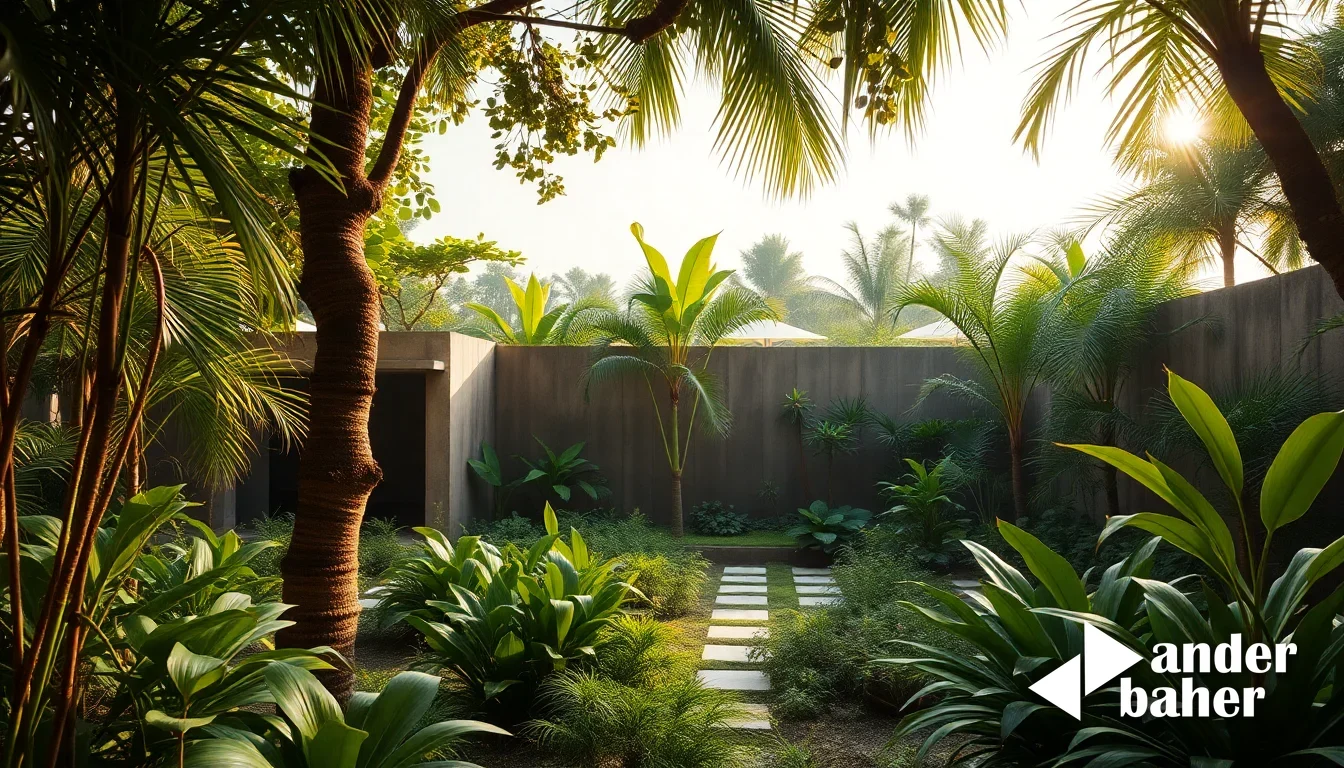
The Flow of Energy (Chi): In Indian landscape design, the concept of 'prana' or life force is akin to Feng Shui's 'chi.' Both emphasize the importance of a smooth and unobstructed flow of energy. In the context of a garden, this translates to meandering pathways and curvaceous design elements, allowing energy to move freely and gently through the space.
Five Elements: The fundamental Feng Shui concept of five elements can be aligned with traditional Indian beliefs. Earth, Water, Wood, Fire, and Metal can correspond to the five elements of nature often found in Indian gardens: earthy tones, water features, wooden furniture, fire pits or lamps, and metallic accents. Balancing these elements in your garden can enhance the positive energy within it.
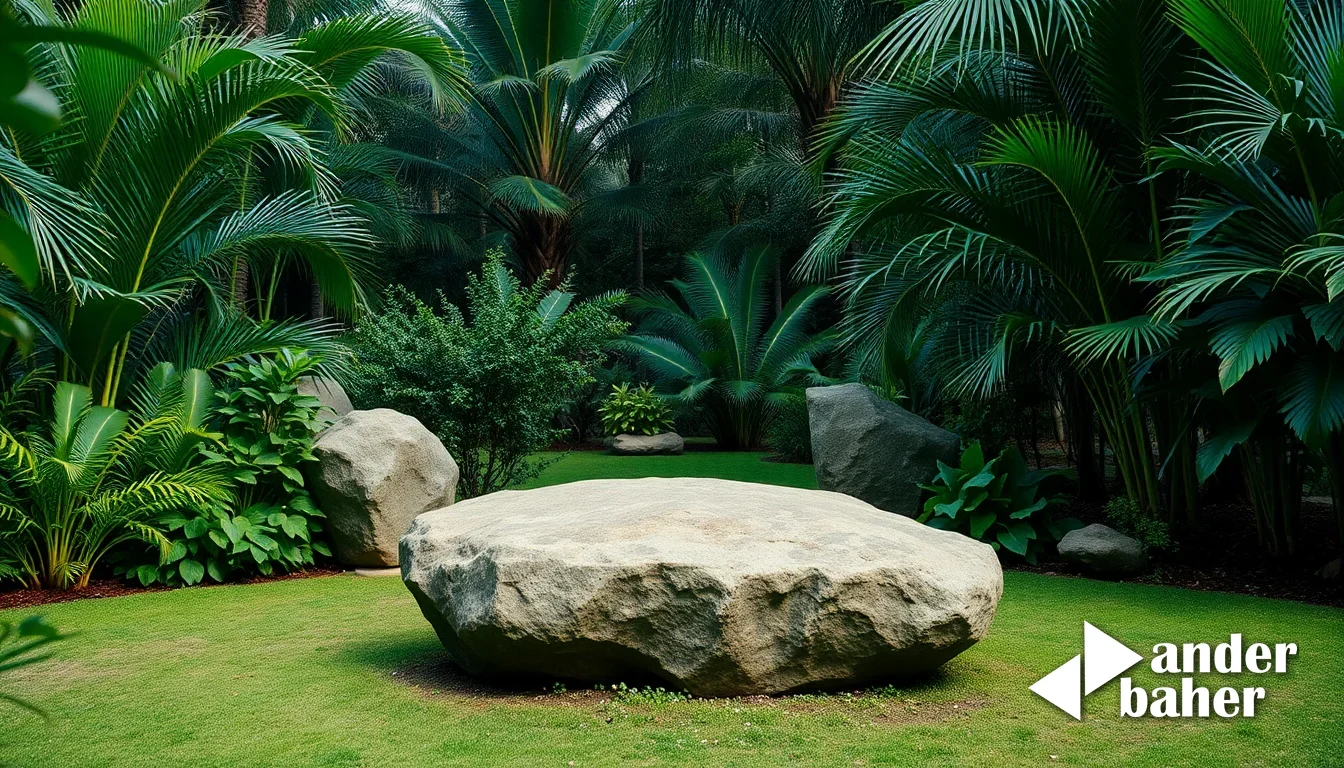
Balance and Harmony: Achieving balance is central to both Feng Shui and Indian culture. In Indian gardens, the balance between man-made and natural elements, such as sculptures, trees, and ponds, creates a sense of unity and peace. Similarly, Feng Shui's Bagua map, which divides spaces into different life areas, can be adapted to ensure harmony in every corner of your garden.
Plant Selection: The choice of plants plays a vital role in both Indian and Feng Shui gardens. Selecting plants with auspicious symbolism can bring good luck and positive energy. For example, peonies and lotus symbolize wealth and purity in Feng Shui, while in Indian culture, the tulsi plant is considered sacred and is often found in home gardens.
Water Features: Water is a symbol of prosperity and abundance in both Feng Shui and Indian tradition. Incorporating water features like fountains, ponds, or even a simple birdbath can enhance the flow of positive energy in your garden.
The fusion of Feng Shui principles with Indian landscape design offers a unique opportunity to create outdoor spaces that not only delight the eye but also soothe the soul. By understanding and integrating the philosophies of these two traditions, you can craft a garden that resonates with the principles of balance, harmony, and positive energy. Ultimately, your garden becomes a tranquil sanctuary, connecting you with nature, culture, and the cosmos. In the midst of our bustling lives, these gardens serve as a reminder of the importance of harmony, both within ourselves and with the world around us.
Facebook Twitter LinkedInStill need help?
Get in touch with us
Frequently asked
How can I integrate Feng Shui principles into my existing Indian garden?
Begin by assessing your garden's energy flow—create meandering pathways rather than rigid lines, introduce water features, and ensure the five elements (earth, water, wood, fire, metal) are represented and balanced. Plant auspicious species like lotus or tulsi, and consider the Bagua map to harmonise different zones of your outdoor space.
Which plants are considered auspicious in both Feng Shui and Indian traditions?
Lotus and peonies carry prosperity symbolism in Feng Shui, while tulsi is revered as sacred in Indian culture. Both traditions favour plants with rounded leaves and upward growth patterns, as they are believed to invite positive energy into the space.
What role do water features play in a Feng Shui garden?
Water symbolises prosperity and abundance in both Feng Shui and Indian philosophy. Fountains, ponds, and birdbaths facilitate the unobstructed flow of chi through your garden, creating a sense of tranquillity and inviting positive energy into your sanctuary.

Ready to transform your space — inside or out?
Tell us a little about your home or office. We'll get back within one working day.
Book a consultation