
Magazine › Garden & Landscape
Unleash the Hidden Potential of Sustainable Landscaping Design
Explore sustainable landscaping in our blog. Learn how native plants, organic fertilizers, and efficient water management can create eco-friendly outdoor spaces. Embrace nature's beauty, support local ecosystems, and reduce maintenance costs. Elevate your architecture and design projects with respon
By the Ander Baher Editorial Desk · 29 October 2023
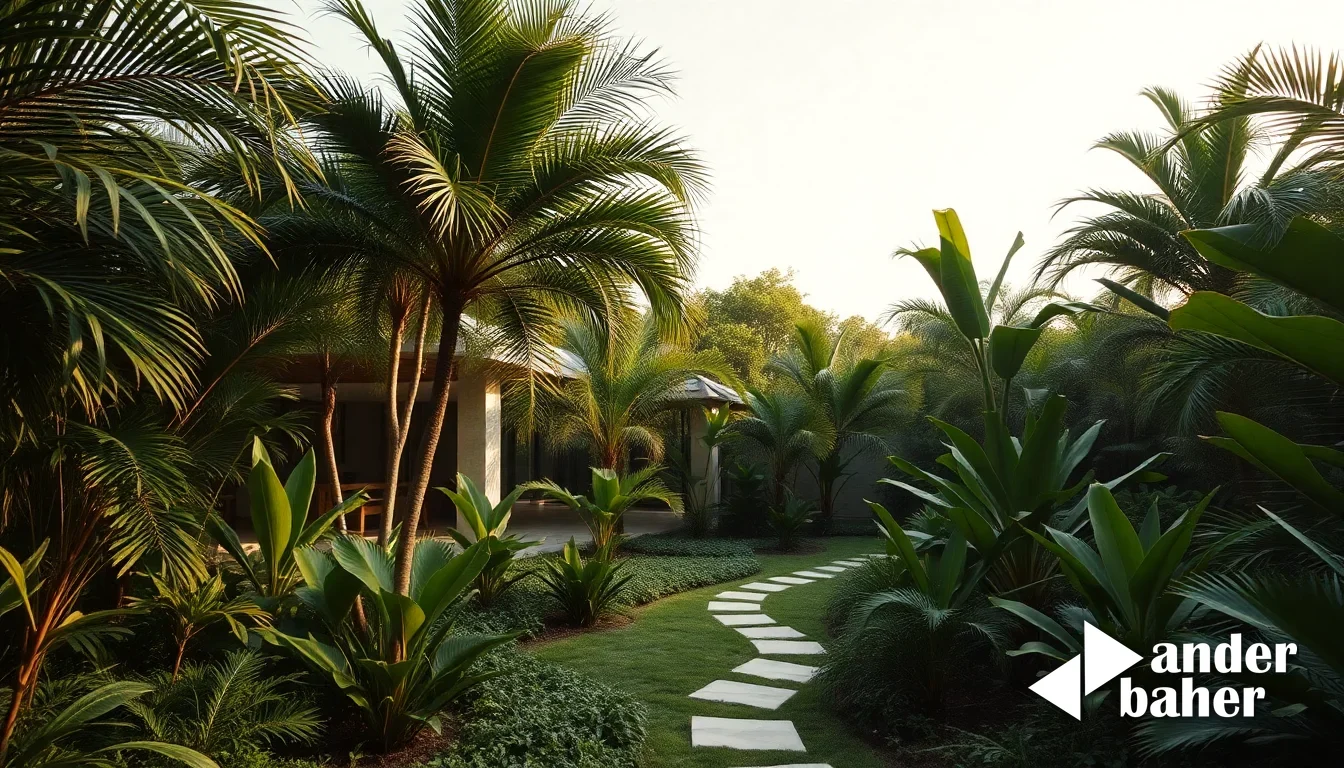
Welcome to the world of sustainable landscaping, where nature meets design, and your outdoor spaces become a canvas of eco-conscious art. In today's blog, we'll explore the best practices for sustainable landscaping, focusing on the use of native plants, organic fertilizers, and efficient water management. As an architecture and design firm committed to sustainability, integrating these principles into your projects can enhance not only the beauty of the environment but also the well-being of the people who interact with it.
Native Plants: A Palette of Biodiversity When it comes to sustainable landscaping, native plants are your best friends. These are the species that have evolved naturally in your region, perfectly adapted to local conditions. Using native plants not only reduces the need for extensive maintenance but also fosters biodiversity.
Diverse Ecosystems: Incorporating a variety of native species creates diverse ecosystems that support local wildlife, including birds, insects, and pollinators.
Water Efficiency: Native plants require less irrigation, as they have adapted to local rainfall patterns. This minimizes the need for water, reducing both costs and environmental impact.
Reduced Maintenance: Native plants are low-maintenance, which means less effort and fewer resources needed for upkeep.
Organic Fertilizers: Nourishing the Earth For sustainable landscaping, your soil is as important as your plants. Opt for organic fertilizers to maintain soil health and ensure your outdoor spaces flourish in an eco-friendly manner.
Chemical-Free: Organic fertilizers are free from harmful chemicals that can pollute water sources and harm ecosystems.
Soil Enrichment: They enrich the soil, enhancing its nutrient content and improving its structure.
Long-Term Benefits: Unlike synthetic fertilizers that offer a quick fix, organic fertilizers provide lasting benefits to the soil, plants, and the environment.
Efficient Water Management: A Precious Resource Water is a precious resource, and using it efficiently in your landscaping design is not only responsible but also cost-effective. Here's how to do it:
Drip Irrigation: Drip systems deliver water directly to plant roots, minimizing wastage due to evaporation and runoff.
Rainwater Harvesting: Collect and store rainwater for use in your landscaping. It's an eco-conscious way to ensure your plants receive the water they need.
Xeriscaping: Design your landscape with drought-resistant plants and minimal water needs to reduce overall water consumption.
Sustainable landscaping is not just a trend; it's a responsible choice that benefits the environment and your budget. As an architecture and design firm, incorporating these practices into your projects not only showcases your commitment to sustainability but also enhances the quality of life for the people who experience these landscapes.
By prioritizing native plants, organic fertilizers, and efficient water management, you create outdoor spaces that thrive naturally, support local ecosystems, and require less maintenance. This eco-conscious approach not only looks great on paper but also translates into beautiful, harmonious, and sustainable designs that stand the test of time. Happy landscaping!
Facebook Twitter LinkedInStill need help?
Get in touch with us
Frequently asked
Why should I use native plants in my landscape design?
Native plants are perfectly adapted to your region's climate and rainfall patterns, requiring less irrigation and maintenance while fostering local biodiversity and supporting wildlife like birds and pollinators.
How does efficient water management reduce landscaping costs?
Systems like drip irrigation and rainwater harvesting minimize water wastage through evaporation and runoff, while xeriscaping with drought-resistant plants significantly lowers both water consumption and long-term maintenance expenses.
What are the environmental benefits of organic fertilizers?
Organic fertilizers eliminate chemical pollution to water sources and ecosystems, enrich soil structure for lasting plant health, and provide enduring environmental benefits unlike synthetic quick-fix alternatives.
Ready to transform your space — inside or out?
Tell us a little about your home or office. We'll get back within one working day.
Book a consultation