
Magazine › Garden & Landscape
Transform Your Garden with Expert Color Design Tips
Unlock the secrets of using color to elevate your garden's beauty in our latest blog. Learn how to create harmony, focal points, and seasonal variations, while expressing your unique style. Your garden, your masterpiece!
By the Ander Baher Editorial Desk · 23 October 2023
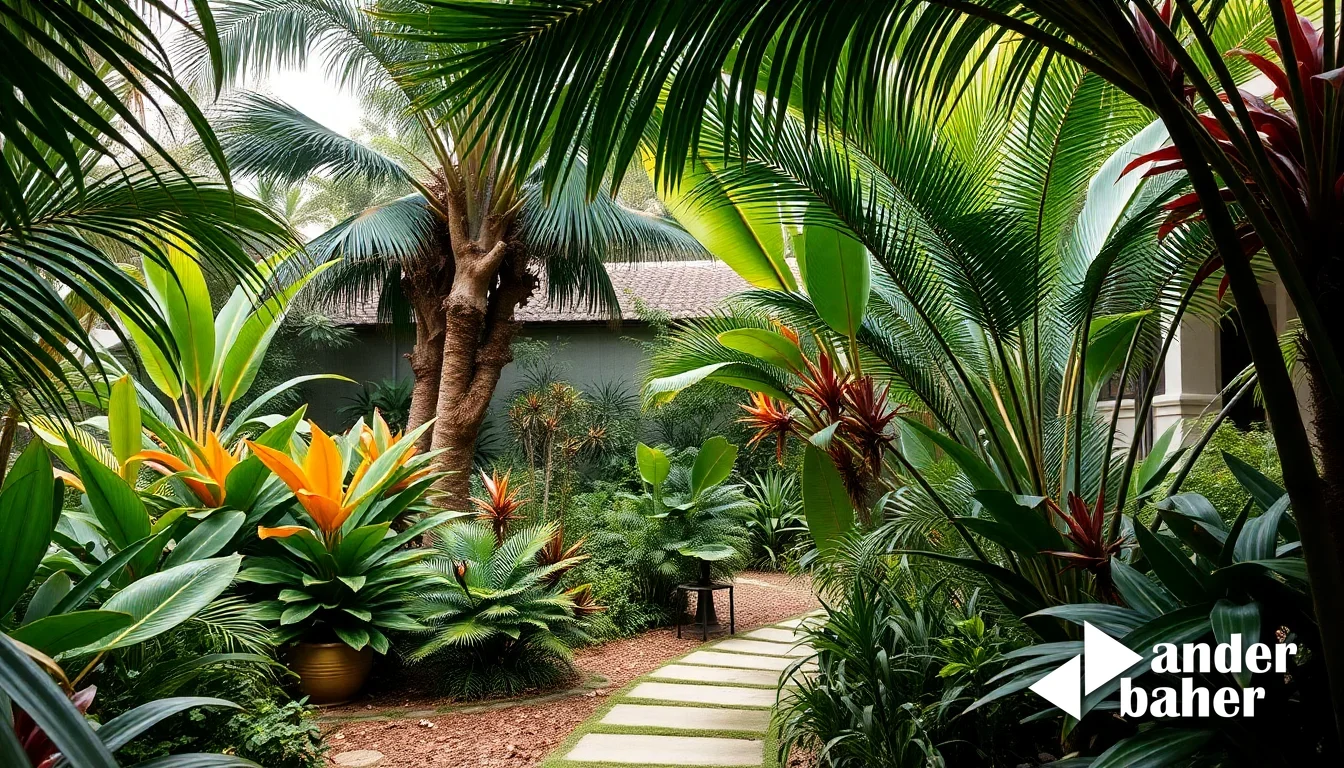
Mastering the Art of Garden Design: Using Color to Transform Your Outdoor Space
In the world of landscape design, color is key to transforming a garden from ordinary to extraordinary. Nature’s palette allows you to create stunning and emotionally engaging outdoor spaces. Whether you're a seasoned horticulturist or just getting started, mastering the use of color in your garden can elevate its beauty and visual appeal.
Understanding the Color Wheel
The color wheel is the foundation of great garden design. It includes:
- Primary Colors: Red, blue, yellow
- Secondary Colors: Orange, green, purple (created by mixing primary colors)
- Tertiary Colors: Blends of primary and secondary colors
Understanding these relationships will guide your plant choices, helping you create either harmonious combinations or bold contrasts in your garden.
Creating a Focal Point with Color
Every garden benefits from a focal point, something that immediately draws the eye. One of the most effective ways to achieve this is by using contrasting colors. For example, a vibrant red rose bush against a green backdrop creates an immediate impact. Similarly, a pond surrounded by deep blues and purples can serve as a serene focal point.
Planning for Seasonal Variation
To keep your garden colorful year-round, plan for seasonal variation. Different plants bloom in different seasons, and by staggering them, you’ll ensure that color is always present. For instance, spring tulips provide early brightness, while late-summer blooms like chrysanthemums keep the garden vibrant into the fall.
Using Color to Influence Mood
Colors have the power to influence mood:
- Warm Colors: Reds, yellows, and oranges evoke energy, warmth, and excitement.
- Cool Colors: Blues, greens, and purples promote calm and relaxation.
By selecting colors thoughtfully, you can shape the mood of your garden. Warm colors will create an energetic atmosphere, while cool tones bring peace and tranquility.
Achieving Color Harmony
Creating harmony in your garden’s color palette involves selecting colors that sit next to each other on the color wheel. For instance, blue and purple or red and orange create soothing combinations. Alternatively, complementary colors (opposites on the wheel, like red and green or yellow and purple) introduce bold contrast and vibrancy.
Balancing Scale and Proportion
When applying color, always consider scale and proportion. In smaller spaces, intense colors might feel overwhelming, so opt for muted tones. Larger gardens can accommodate a more diverse color palette. Striking the right balance ensures your garden is visually pleasing without overwhelming the senses.
Texture and Foliage for Added Depth
Color isn’t just about flowers. Foliage provides texture and depth to your garden design. Leaves, grasses, and shrubs come in shades of green, silver, and purple, offering additional color layers. Plants like variegated leaves, silvery sage, and ornamental grasses add texture even when flowers aren’t in bloom.
Maintenance and Care
Before selecting plants, ensure you can meet their care needs. A vibrant garden requires regular upkeep, and neglect can diminish the beauty of your chosen colors. Select plants that align with your gardening style and time commitment to maintain a stunning, healthy garden.
Expressing Your Personality Through Color
Your garden is an extension of your personality. Don’t be afraid to get creative and reflect your personal style through color. Whether you prefer a vibrant rainbow of hues or a more subtle monochromatic palette, color is a powerful way to express yourself through landscape design.
Conclusion
Using color effectively in garden design is an art. By understanding the color wheel, planning for seasonal changes, and paying attention to mood and balance, you can create a visually stunning and emotionally engaging landscape. Whether you opt for bold contrasts or serene harmonies, your garden should be a reflection of your unique style and personality.
Start experimenting with color, and watch your garden transform into a vibrant, ever-changing work of art.
Facebook Twitter LinkedInStill need help?
Get in touch with us
Frequently asked
How do I use the color wheel to design a cohesive garden?
The color wheel guides plant selection by showing which hues harmonize (adjacent colors) or create bold contrast (opposites). Choose either analogous combinations like blue and purple for calm, or complementary pairs like red and green for visual punch.
What's the best approach to maintaining color in a garden year-round?
Plan seasonal variation by staggering blooms—spring tulips, summer roses, and fall chrysanthemums ensure continuous color. Layer in foliage plants with silver, purple, or variegated leaves to sustain visual interest when flowers fade.
How can color influence the mood of my outdoor space?
Warm colors like red and orange energize a garden, while cool tones—blues, greens, purples—create tranquility. Choose your palette based on the atmosphere you wish to cultivate.
Ready to transform your space — inside or out?
Tell us a little about your home or office. We'll get back within one working day.
Book a consultation