
Magazine › Garden & Landscape
Transform Cities with Urban Farming and Innovative Gardens
Discover how India is leading the way in adopting global landscape trends! From urban farming initiatives in Mumbai's Dharavi to awe-inspiring vertical gardens at Bengaluru International Airport, India is transforming its cities. Explore the benefits, challenges, and the promising future of green ar
By the Ander Baher Editorial Desk · 28 October 2023
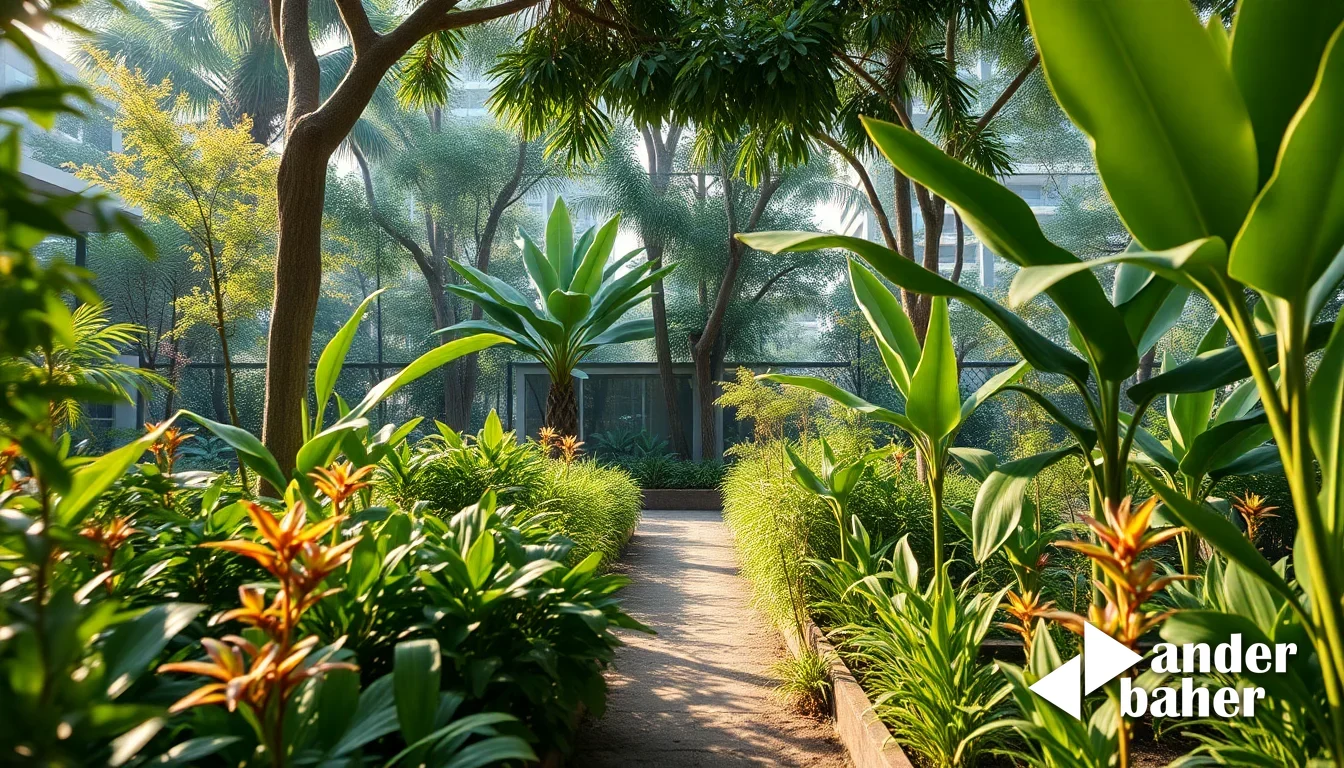
In the ever-evolving world of architecture and design, staying attuned to global trends is essential. Over the years, India has emerged as a vibrant canvas for architects and designers to experiment with innovative ideas and techniques. One remarkable aspect of this evolution is the way India is embracing global landscape trends, with a focus on sustainable practices and the infusion of greenery into its urban environments. In this blog post, we'll delve into India's adoption of two prominent global landscape trends: urban farming and vertical gardens integrated into infrastructure.
Urban Farming: A Green Revolution in the Concrete Jungle
Urban farming is a global trend that's taking root across major cities worldwide. The concept involves cultivating crops, vegetables, and herbs within urban spaces. In India, this trend is rapidly gaining momentum as people recognize the benefits of producing their own food in densely populated areas.
Why Urban Farming?
- Sustainability: Urban farming promotes sustainable agriculture by reducing the carbon footprint associated with transporting food from rural areas to cities.
- Health Benefits: Locally grown produce is fresher, more nutritious, and free from harmful chemicals, making it a healthier choice.
- Community Building: Urban farms often serve as community spaces, fostering a sense of togetherness and promoting local entrepreneurship.
Case Study: Mumbai's Dharavi Mumbai's Dharavi, one of Asia's largest slums, has been a pioneering hub for urban farming. Community gardens and rooftop farms have transformed this densely populated area into a green oasis. These initiatives not only promote sustainability but also provide livelihood opportunities for its residents.
Vertical Gardens: Bringing Nature to New Heights
Vertical gardens, also known as living walls, are architectural marvels that incorporate lush greenery into urban infrastructure. This trend is booming worldwide and is being enthusiastically embraced in India, where space constraints are a constant challenge for urban planners.
Benefits of Vertical Gardens
- Improved Air Quality: Vertical gardens help combat air pollution by absorbing carbon dioxide and releasing oxygen.
- Temperature Regulation: The plants on these structures cool the surrounding area, reducing the urban heat island effect.
- Aesthetic Appeal: Vertical gardens add a touch of natural beauty to concrete structures, enhancing the overall ambiance.
Iconic Example: The Green Wall at the Bengaluru International Airport Bengaluru International Airport boasts a stunning vertical garden that spans over 3,600 square feet. It not only captivates visitors with its aesthetic appeal but also serves as a symbol of India's commitment to environmental sustainability.
Challenges and the Way Forward
While India's adoption of global landscape trends is promising, several challenges must be addressed to ensure their long-term success. These include issues related to water scarcity, maintenance, and urban planning. To overcome these hurdles, collaboration between the government, private sector, and local communities is crucial.
In conclusion, India's commitment to embracing global landscape trends, such as urban farming and vertical gardens integrated into infrastructure, reflects its determination to create greener, more sustainable, and aesthetically pleasing cities. These trends not only contribute to a healthier environment but also enrich the lives of urban dwellers. As architects and designers in India continue to push the boundaries of innovation, we can expect to see even more remarkable transformations in the years to come.
Are you an architecture and design firm interested in contributing to India's landscape evolution? Share your thoughts and experiences with us, as we explore this exciting journey together.
Facebook Twitter LinkedInStill need help?
Get in touch with us
Frequently asked
How can urban farming reduce our city's carbon footprint?
By cultivating crops and vegetables locally within urban spaces, urban farming eliminates the transportation emissions tied to bringing food from distant rural areas—a practice gaining rapid momentum across India's densely populated cities.
What makes vertical gardens effective in managing urban heat?
Plants on vertical garden structures absorb carbon dioxide and release oxygen while cooling the surrounding air, directly reducing the urban heat island effect that concrete-heavy cities often experience.
Are vertical gardens practical for space-constrained Indian cities?
Absolutely. Vertical gardens address India's endemic space constraints by bringing lush greenery into existing urban infrastructure—transforming concrete structures into living walls without consuming additional ground-level real estate.



Ready to transform your space — inside or out?
Tell us a little about your home or office. We'll get back within one working day.
Book a consultation