
Magazine › Garden & Landscape
The Healing Power of Therapeutic Gardens: A Sanctuary for Well-Being
Discover the transformative magic of therapeutic gardens. Designed to nurture body, mind, and soul, these enchanting green spaces reduce stress, promote healing, and foster community. Architects and designers, take note: therapeutic gardens are not just places; they are havens of well-being and hope
By the Ander Baher Editorial Desk · 30 October 2023
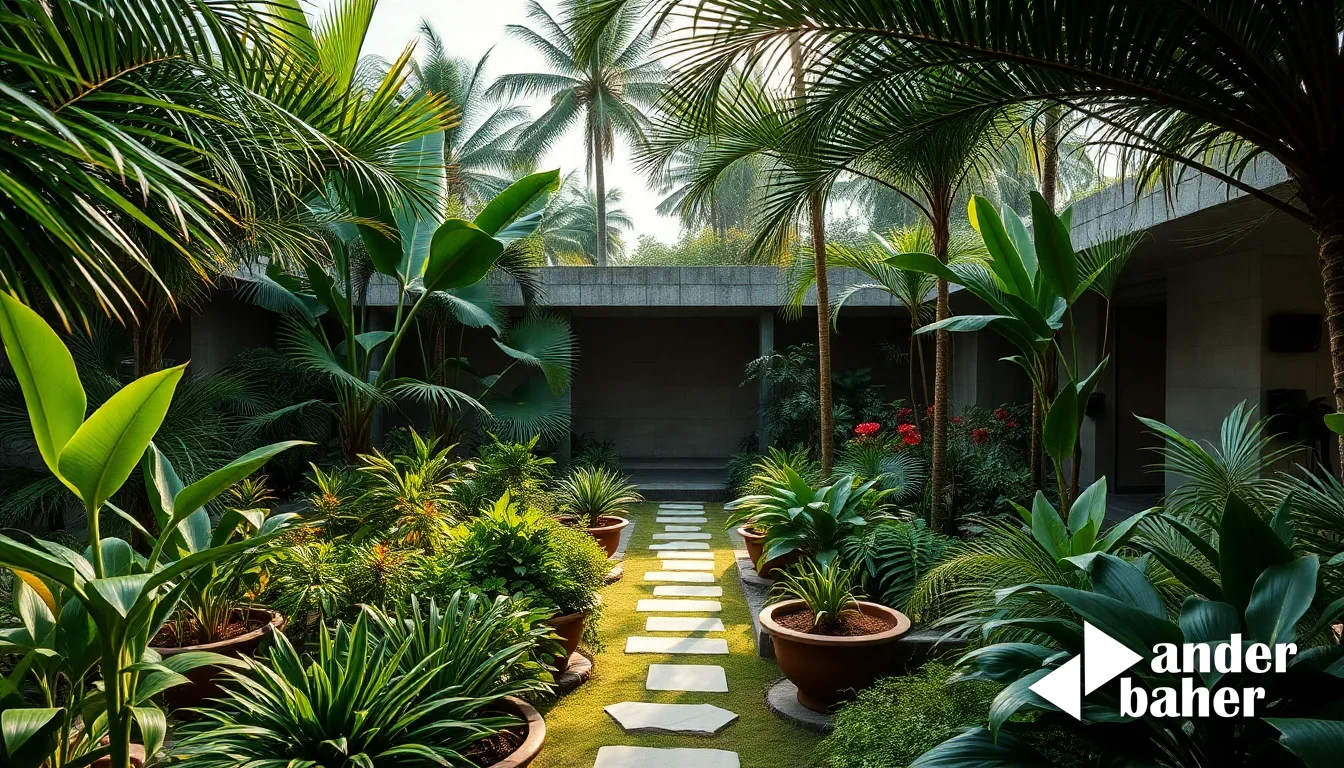
In the fast-paced world of architecture and design, where form and function are key, it's essential to remember the profound impact a well-designed space can have on the human experience. In recent years, the concept of therapeutic gardens has emerged as a groundbreaking approach to create environments that cater to the physical, psychological, and social needs of their users. In this blog post, we will explore the enchanting world of therapeutic gardens and how they support healing, reduce stress, and improve overall well-being.
The Essence of Therapeutic Gardens:
Therapeutic gardens, often referred to as healing gardens, are purposefully designed green spaces that go beyond aesthetics. They are carefully crafted to offer a wide array of benefits, enhancing the quality of life for those who visit or inhabit them. Let's delve into the elements that make these gardens so extraordinary:
Natural Healing: The fundamental idea behind therapeutic gardens is to reconnect individuals with nature. The presence of lush greenery, vibrant flowers, and serene water features has a calming and restorative effect on the mind and body. Patients, visitors, or residents can escape from the clinical environment and immerse themselves in a tranquil natural setting.
Stress Reduction: Stress is an omnipresent aspect of modern life, and it's particularly pronounced in healthcare settings. Therapeutic gardens provide a soothing atmosphere where individuals can unwind, reducing their stress levels. The gentle rustling of leaves and the scent of blooming flowers create a sense of serenity that is unmatched.
Physical Well-Being: These gardens are designed with accessibility and inclusivity in mind. They often feature walking paths that accommodate wheelchairs and provide seating areas for relaxation. For patients and caregivers alike, these spaces offer opportunities for gentle exercise and fresh air, which can significantly aid the healing process.
Psychological Benefits: Therapeutic gardens are meticulously planned to stimulate the senses. The colors, textures, and fragrances of plants engage the mind and evoke positive emotions. They serve as spaces for reflection, meditation, and contemplation, allowing users to find inner peace and perspective.
Social Connection: Beyond individual well-being, therapeutic gardens foster a sense of community. They are places where patients, families, and healthcare professionals can come together, share experiences, and build support networks. These gardens break down the barriers of illness and create opportunities for meaningful interactions.
Designing Therapeutic Gardens:
Creating a therapeutic garden is an art that involves a careful balance of science and aesthetics. Here are some design principles to consider when planning these healing spaces:
Variety and Sensory Stimulation: Integrate a diverse range of plants, colors, textures, and scents to engage all the senses. Think about the changing seasons and how the garden will evolve throughout the year.
Accessibility: Ensure that the garden is easy to navigate for individuals with varying mobility levels. Paved paths, ramps, and resting areas are crucial components of inclusivity.
Privacy and Tranquility: Design secluded nooks and alcoves where visitors can find peace and solitude, away from the hustle and bustle of the world.
Therapeutic Features: Consider incorporating features like fountains, sculptures, and even therapeutic horticultural activities such as gardening beds and greenhouses.
Maintenance and Sustainability: A well-maintained garden is essential for its therapeutic benefits. Opt for low-maintenance plantings and sustainable design elements to keep the garden flourishing.
Therapeutic gardens are more than just a trend in architecture and design; they are a testament to the power of nature in promoting healing, reducing stress, and enhancing overall well-being. These lush oases provide solace in challenging times and bring people together in an atmosphere of serenity and beauty. For architects and designers, the creation of therapeutic gardens offers an opportunity to make a profound impact on the lives of those who seek comfort and rejuvenation. Whether you are considering incorporating such a garden into a healthcare facility or a community space, remember that you are not just building a garden; you are constructing a sanctuary for the human spirit.
Facebook Twitter LinkedInStill need help?
Get in touch with us
Frequently asked
What makes a garden 'therapeutic' rather than purely decorative?
A therapeutic garden is purposefully designed to engage all senses and support physical, psychological, and social healing—beyond aesthetics. It incorporates accessibility, sensory variety, and restorative features like water elements and secluded alcoves to reduce stress and foster genuine well-being.
Can therapeutic gardens be integrated into residential or community spaces?
Absolutely. While often associated with healthcare facilities, therapeutic gardens are equally valuable in private homes, senior communities, and public spaces. The core principles—accessibility, sensory richness, and tranquility—translate beautifully across any setting seeking to prioritize occupant wellness.
What are the key design elements that make a therapeutic garden low-maintenance?
Sustainable planting selections, native species suited to local climate, efficient irrigation systems, and thoughtful hardscaping reduce upkeep while preserving therapeutic benefits. The goal is a garden that flourishes with minimal intervention, so its restorative power endures.
Ready to transform your space — inside or out?
Tell us a little about your home or office. We'll get back within one working day.
Book a consultation