
Magazine › Garden & Landscape
Building Homes That Breathe With The Season
When a house works with the climate rather than against it, the boundary between inside and outside dissolves into something far more alive.
By the Ander Baher Editorial Desk · 28 July 2026
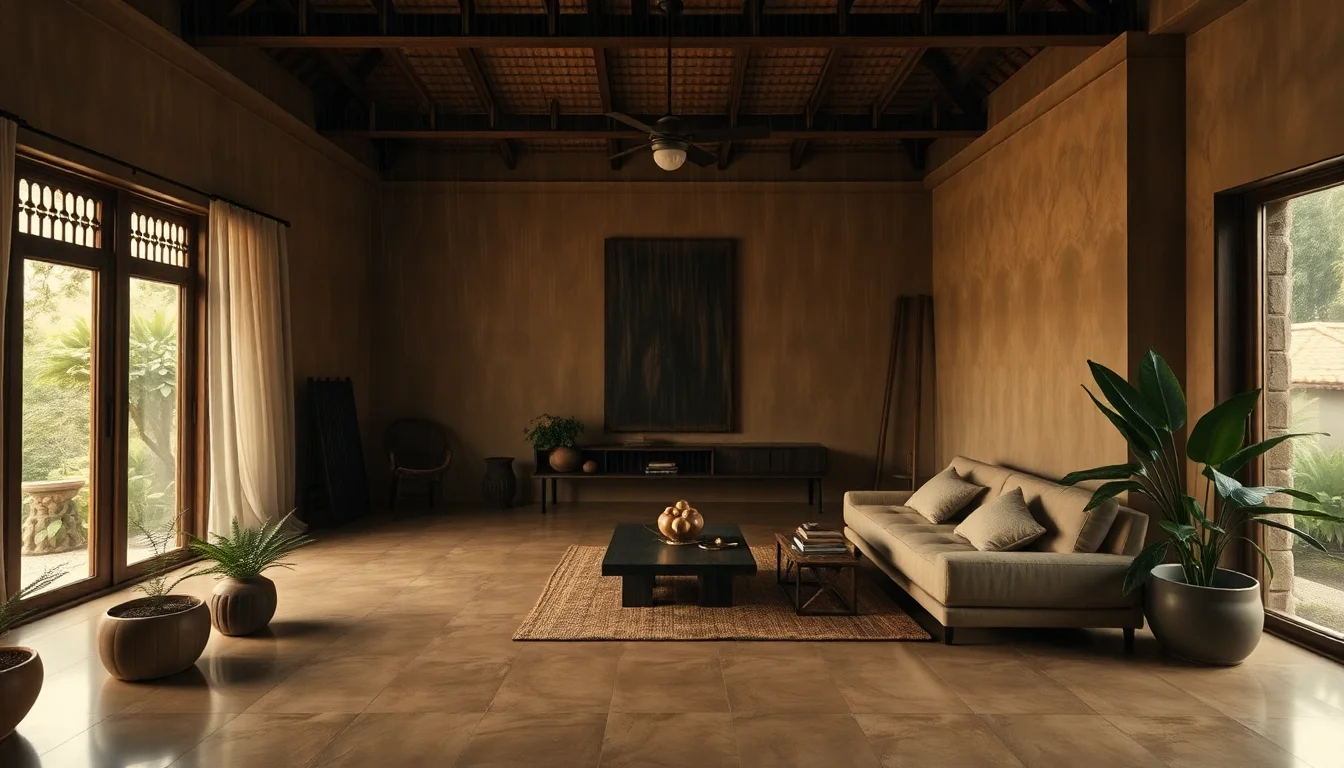
The best homes in India's warmest cities don't fight the heat. They surrender to it, then design their way through it. In Bangalore's old garden estates and Mumbai's more thoughtful colonial bungalows, you'll notice something that modern construction often misses: the house doesn't end at the wall. There's a porous boundary—courtyards that catch evening winds, deep verandahs that delay the sun's entry, gardens positioned to cool the air before it reaches living spaces. These aren't decorative gestures. They're the home's lungs.
The Architecture of Air Movement
Cross-ventilation remains the most underestimated tool in Indian residential design. When windows and openings are positioned to create channels of air flow—from the cooler eastern side of a property through to the western exposure—the house naturally moderates its own temperature. But this requires thought during the landscape phase. A thoughtfully planted border on the eastern boundary diffuses morning light without blocking the cooler dawn breeze. Deciduous trees positioned on the west create dappled shade that drops the surrounding air temperature by several degrees, while still allowing winter sun to penetrate when the leaves have fallen.
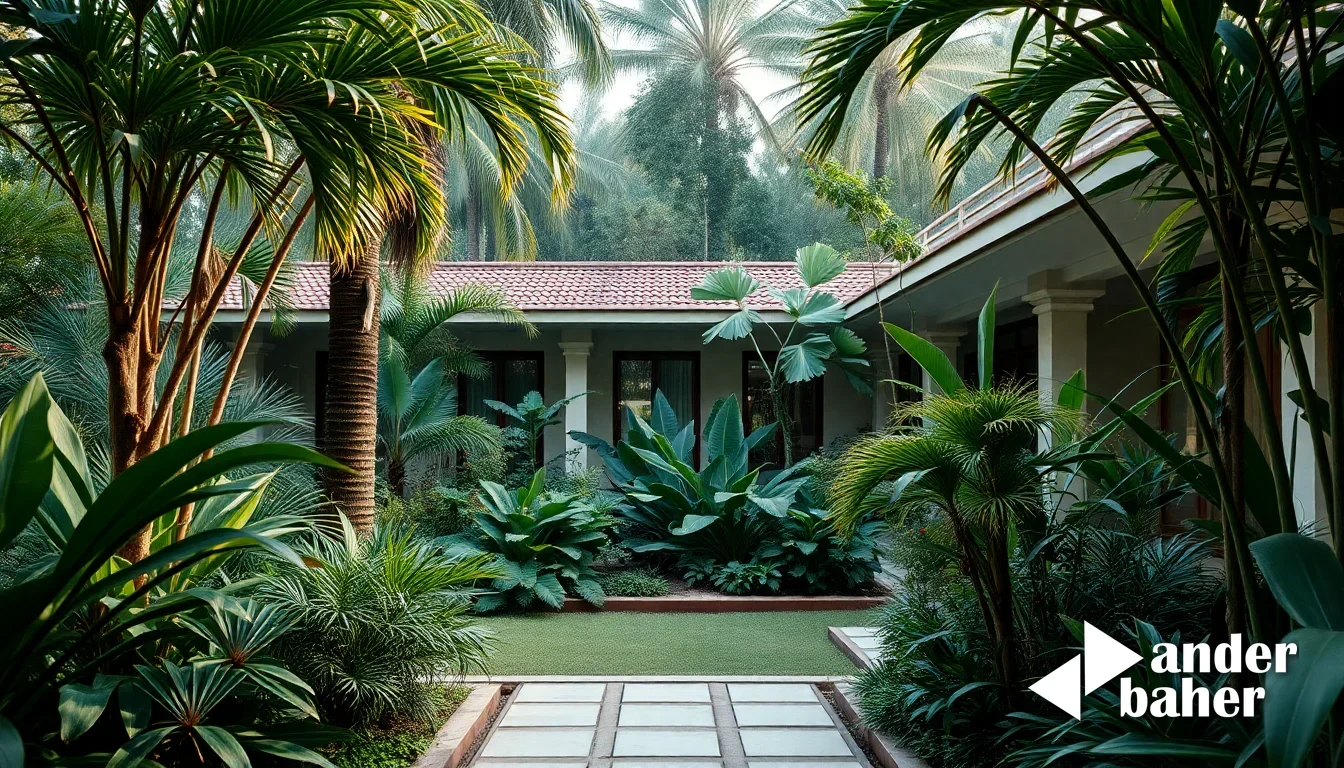
The veranda isn't a leftover from colonial design. It's a climate strategy. That intermediate space—neither fully interior nor exterior—acts as a thermal buffer, reducing the shock of temperature change and creating a zone where the house can transition with the season. Many contemporary homes have abandoned this in pursuit of clean lines. They've lost something vital in exchange.
Water, Shadow, and Seasonal Planting
Water features in the garden serve a dual purpose that goes beyond aesthetics. A small pond or even a thoughtfully designed water channel cools the microclimate around it. As water evaporates, it absorbs heat from the air—the same principle that made traditional haveli courtyards with central tanks so comfortable during punishing summers. The sound of water moving also masks urban noise, creating a psychological cooling effect alongside the physical one.
Seasonal planting deserves equal consideration. Fast-growing deciduous climbers on pergolas provide summer shade; in winter, when those same vines drop their leaves, sunlight floods the spaces that need warmth. Local species adapted to your region's monsoon patterns will thrive with minimal intervention, while their root systems help manage water drainage during heavy rains—a growing concern in cities like Mumbai and Bangalore.
The Living Boundary
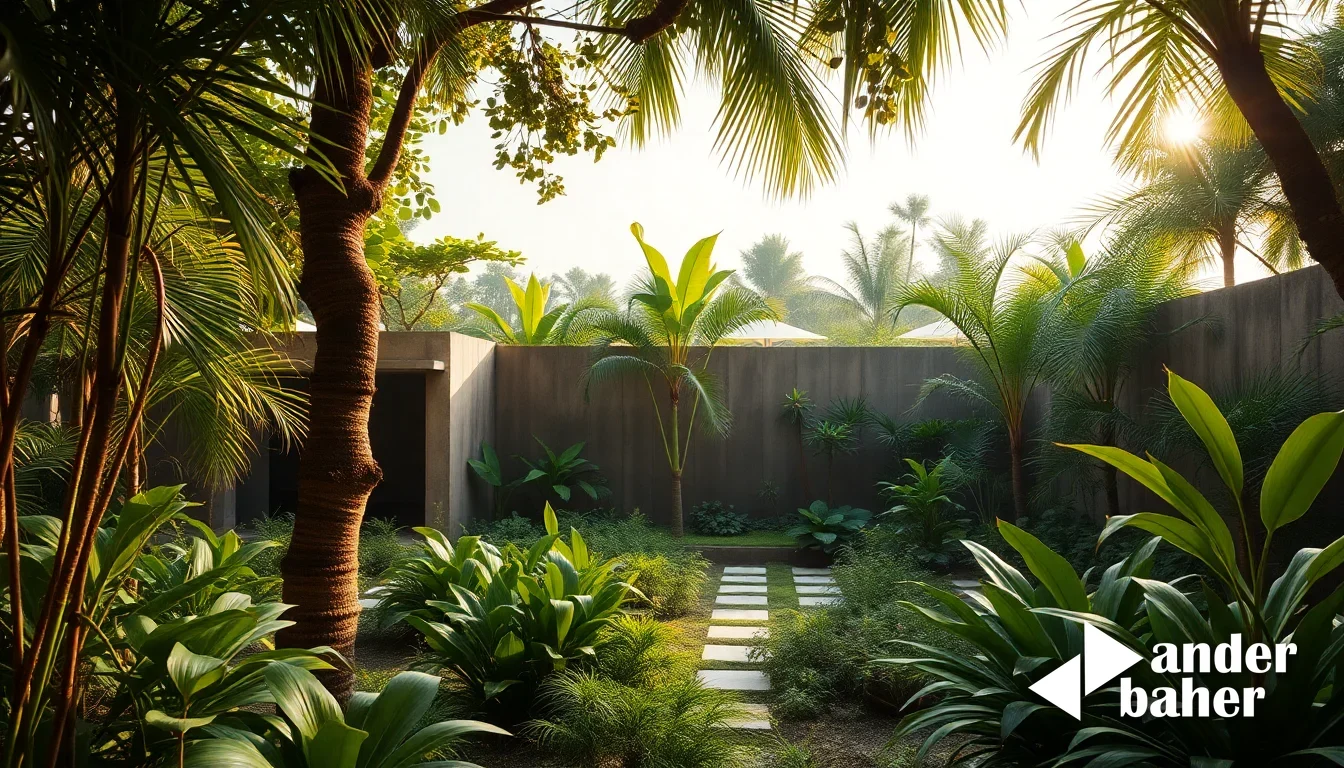
Hard walls absorb and radiate heat. Living boundaries—hedges, mixed plantings, green screens—do the opposite. They insulate without trapping, cool without isolation. A green boundary also creates a buffer against dust and noise, particularly valuable in urban areas. The density and species matter: dense bamboo screens work differently than airy fruit trees or flowering shrubs. Each creates a distinct microclimate on either side.
When a home is designed to move with the seasons—opening itself to cool breezes and distant views in summer, closing itself in with warmth and shelter as temperatures drop—it stops feeling like a box imposed on the landscape. Instead, it becomes an extension of the garden's logic. The house learns to breathe.
Frequently asked
How can cross-ventilation and landscape design reduce cooling costs in a Bangalore or Mumbai home?
Positioning windows and openings to create air channels, combined with strategic tree placement and living boundaries, moderates indoor temperature naturally. Deciduous species on the west provide summer shade while allowing winter sun penetration, eliminating reliance on constant air-conditioning.
What's the difference between a veranda and a standard porch in tropical Indian climate design?
A veranda functions as a thermal buffer—an intermediate space that reduces temperature shock between interior and exterior. This transitional zone is climate strategy, not ornamentation, and becomes increasingly valuable as seasons change.
Which plants work best as living boundaries in monsoon-prone cities?
Native, deciduous species adapted to your region's rainfall patterns thrive with minimal care while managing water drainage. Density matters: dense bamboo screens create different microclimates than airy fruit trees or flowering shrubs, each suited to different exposures and urban noise concerns.

Ready to transform your space — inside or out?
Tell us a little about your home or office. We'll get back within one working day.
Book a consultation