
Magazine › Interiors
Playfulness as Intention: Designing Interiors That Invite Delight
How to weave wit, texture and unexpected colour into everyday spaces without sacrificing restraint. A guide to joyful interiors for Indian homes.
By the Ander Baher Editorial Desk · 28 November 2026
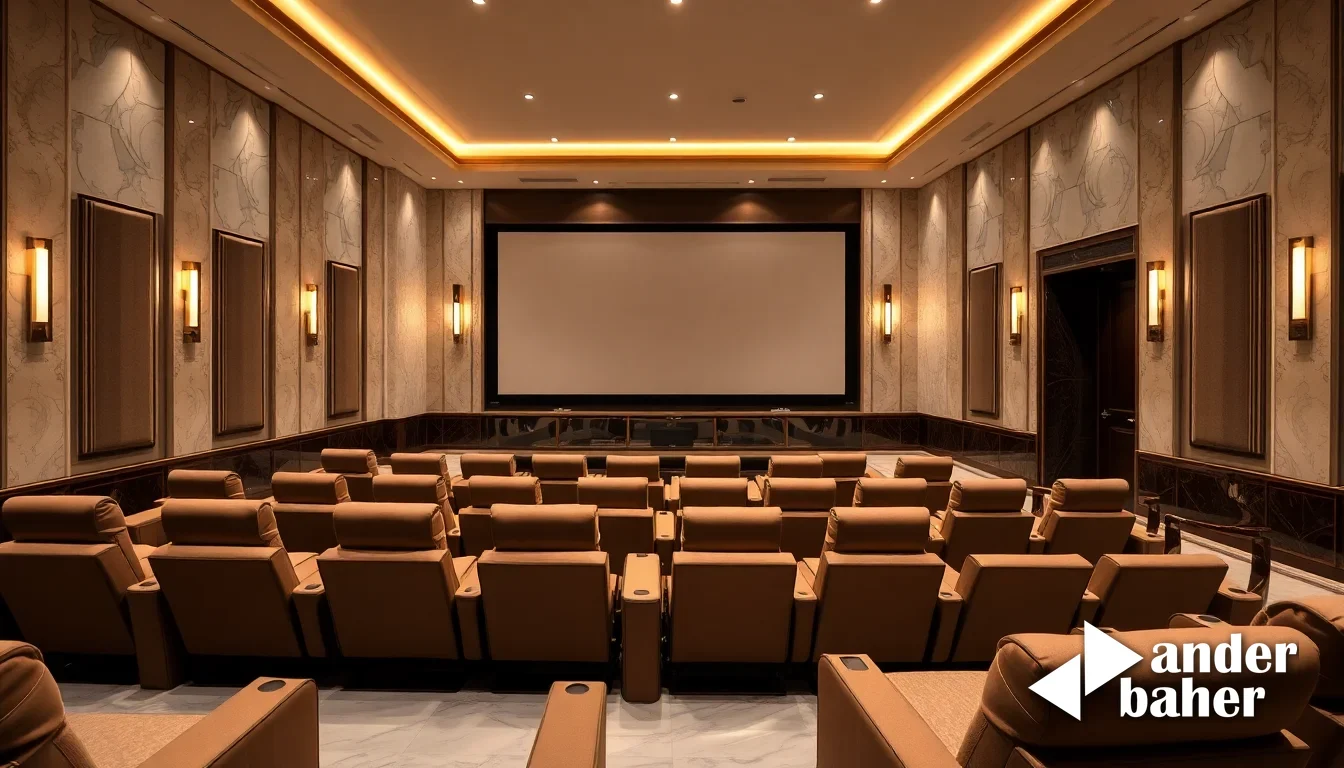
There is a particular quietness that settles over a newly handed-over apartment in a tower off Sarjapur Road or overlooking Powai. The walls are neutral. The light is diffused and careful. Everything waits.
The temptation, then, is to fill that silence with the safe and familiar: the expected palette, the predictable material story, the interiors that ask nothing of you and you ask nothing of them. But there is another path. One that acknowledges that a home is not a showroom, and that restraint need not mean sterility.
The question is not whether to introduce playfulness into your interior — it is how to do so with intention.
Delight as Design Principle, Not Decoration
Playfulness in a home has little to do with novelty for its own sake. Rather, it emerges when a single object, texture or spatial gesture carries both function and personality — when it makes you pause, or smile, or see a corner differently than you did yesterday.
Consider the difference between a room accessorised with ten clever items and one animated by a single sculptural piece — perhaps a hand-thrown ceramic vessel in an unexpected ochre, or a brass form that catches light at a particular hour. The latter creates narrative. The former creates noise.
Ander Baher's approach to interiors has always centred on this idea: that a space speaks most eloquently when every element carries weight. In a newly-completed high-rise in Whitefield or an established apartment in Bandra West, this discipline becomes especially important. The budget for interiors is finite. The square footage is fixed. What remains is curation.
Where Does Playfulness Live in an Indian Home?
The entry threshold is one answer. Here, before the eye has adjusted to interior light, a tactile surprise — a jali screen carved with an abstract geometry, a wall finished in a pigmented lime render that shifts with the season — signals that this is not a neutral space. It is inhabited.
The kitchen is another. Rather than accepting builder-specification cabinetry in melamine or laminate, consider a modular system in natural teak with brass pulls, or open shelving that reveals the colour and materiality of the objects within. Cooking becomes theatrical. The everyday becomes ceremony.
Balconies and outdoor thresholds offer perhaps the richest opportunity. In a Mumbai apartment where monsoon damp creeps into north-facing balconies, or a Bengaluru terrace exposed to the relentless summer sun, the temptation is function-only: waterproofing, shade cloth, done. But what if the solution also delighted? Our integrated interior and landscape practice often begins here — with a waterproofed surface that becomes a backdrop for planted forms, or a shade structure so elegantly proportioned that it feels less like a utility and more like inhabitation.
Texture as the Quiet Provocateur
Playfulness often arrives through touch, not sight alone. A wall finished in a burnished concrete, laid bare rather than painted. Flooring in Jaisalmer limestone, its surface alive with fossils and variation. A run of cabinetry in blackened brass instead of chrome. These are not bold choices — they are insistent ones. They ask the inhabitant to notice.
In a just-handed-over tower in Devanahalli or an older villa in Koramangala undergoing renovation, texture becomes the bridge between restraint and personality. It says: this room has been thought about. Someone made a decision. Someone cares.
The monsoon-facing apartments of Thane West or the high-humidity corridors of Chembur present a particular texture challenge. Builder-grade surfaces degrade quickly in damp. But a wall finished in hydraulic tile, or one lined with terracotta cladding, not only endures — it ages with grace. After five years, ten years, it tells a story. That story is playfulness without whimsy.
Colour as Whisper, Not Shout
The most common error in playful interiors is the assumption that joy requires saturation. It does not. A single wall in a deep forest green, seen only in certain light, can animate an entire room. A series of small objects in a restrained earth palette — burnt sienna, ochre, charcoal — scattered across a shelf or a low table, creates rhythm without chaos.
In apartments across Bengaluru's premium micro-markets — from Hennur to Electronic City — natural light varies dramatically by orientation and season. A colour choice that reads warmly in January may feel oppressive in May. The discipline is to choose sparingly, and to test samples across a full day, in real light, before committing.
This is the difference between designing for Instagram and designing for living. Ander Baher's work always privileges the latter.
Objects as Conversation Partners
A well-chosen object — a ceramic form, a brass sculpture, a woven textile from a regional maker — transforms a room by its mere presence. It suggests taste. It invites question. Over time, it becomes anchoring.
Rather than populating a space with objects, consider commissioning a single handmade piece. Work with an artisan to design a tile series for a kitchen splashback, or collaborate with a metalworker on hardware that speaks to the home's particular aesthetic. These objects cost no more than their generic equivalents, but they carry intention.
The Ander Baher Shop curates such pieces — objects that function both practically and as design statements, chosen for their restraint and their capacity to age beautifully.
The Discipline of Restraint
Playfulness in a mature home is a discipline, not an indulgence. It requires saying no far more often than saying yes. It means accepting empty wall space. It means letting a room breathe.
In a newly-occupied apartment in Powai or a recently renovated villa in Bandra, the instinct is often to fill every surface. The design task is the opposite: to establish hierarchy. What is the primary gesture in this room? What supports it? What is left silent?
When these questions are answered with clarity, playfulness emerges naturally. The home ceases to be a collection of things and becomes a coherent argument. It speaks to who you are, not to who you think you should be.
Bring intention to your everyday spaces. Explore how we've approached playful interiors in homes across Bengaluru and Mumbai, or speak with our team about designing your space with both rigour and delight.
Sources & further reading
- Dezeen — Five novelty streetwear products that add a touch of fun to the everyday ↗
- Dezeen — Five lighting designs listed by Marset on Dezeen Showroom ↗
- Dezeen — Royal Society for Arts appoints five Royal Designers for Industry ↗
- Dezeen — This week the highly anticipated London Museum opened ↗
An original Ander Baher perspective, informed by the coverage above.
Frequently asked
How do you add personality to a newly handed-over apartment without overdoing it?
Start with a single focal point — a textured wall finish, a sculptural object, or a carefully chosen material — and let everything else support it. Restraint and intention are more memorable than accumulation.
What's the best way to introduce colour into a Bengaluru home with strong natural light?
Test colour samples across a full day in real light before committing, as intensity shifts with season and orientation. Use colour sparingly — often a single accent wall or a series of small objects reads more powerfully than broad application.
How do you balance playfulness with monsoon challenges in Mumbai and Bengaluru apartments?
Choose materials and finishes that both endure damp and age gracefully — such as hydraulic tile, terracotta cladding, or burnished concrete. Function and delight are not opposing forces; they can be one.
What makes a single interior object feel intentional rather than random?
Objects chosen for craft, materiality and durability — often handmade or commissioned — suggest thoughtfulness. A well-placed ceramic or brass form becomes anchoring, whereas generic accessories remain decorative clutter.
Ready to transform your space — inside or out?
Tell us a little about your home or office. We'll get back within one working day.
Book a consultation