
Magazine › Garden & Landscape
Building Resilience: Native Micro-Forests for the Indian Home
Small spaces, native plants, and thoughtful design create gardens that thrive through seasons—and quiet the chaos beyond the wall.
By the Ander Baher Editorial Desk · 24 July 2026
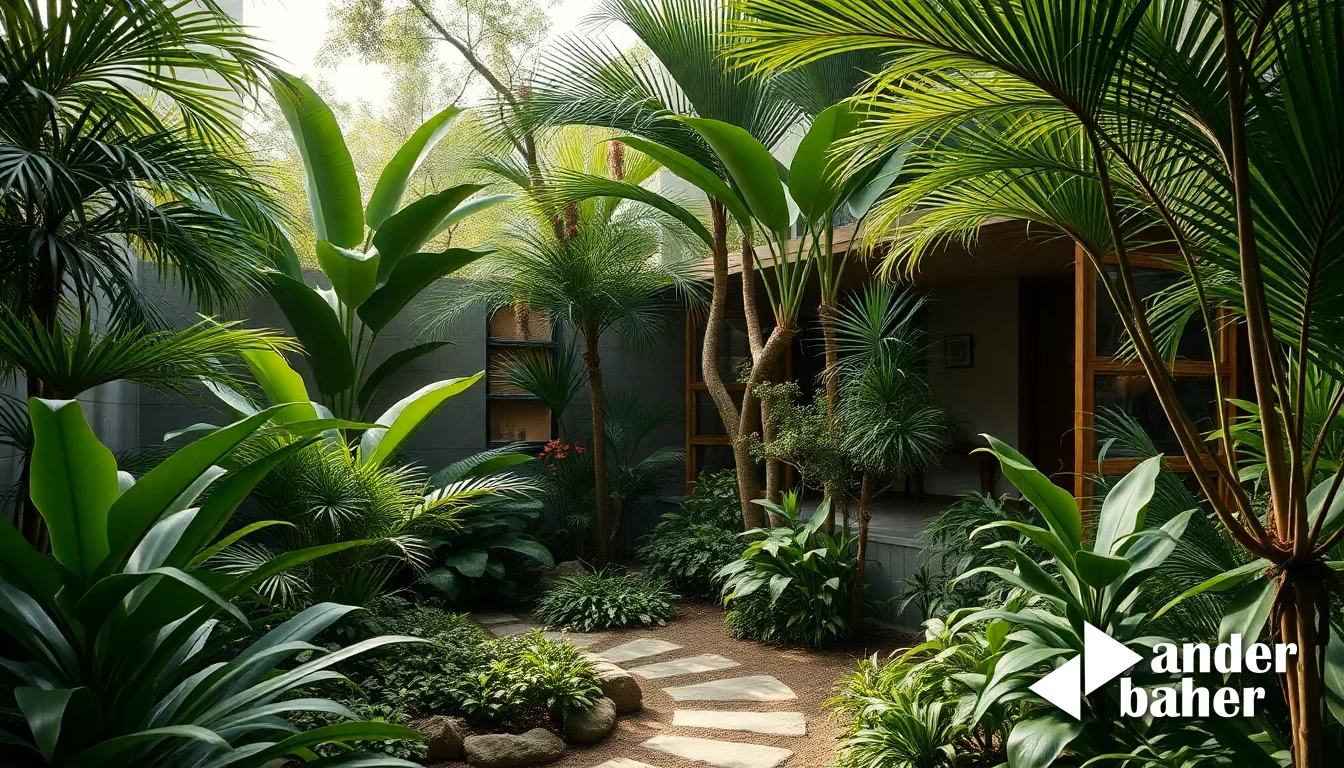
There is a particular stillness that settles into a garden when it stops performing for you and simply exists. The micro-forest emerging in a Bangalore backyard—dense with pillar-shaped natives like Artocarpus hirsutus and Hopea parviflora—doesn't announce itself with manicured beds or specimen plantings. It simply holds. Trees layer into canopy. Shade deepens. The air moves differently. Rain pools where it should.
This is not gardening as ornament. This is gardening as ecology, scaled down to fit the 600-square-foot patch behind a city townhouse or the sloped 800 meters of a suburban Mumbai garden. A micro-forest—sometimes called a pocket forest or native grove—is what happens when you stop fighting the climate and start listening to it instead.
The Logic of Density
Traditional Indian gardens, from Mughal chahar baghs to Kerala tharavad compounds, understood layering. Trees above, shrubs beneath, groundcover below—each stratum serving function and beauty simultaneously. The micro-forest model resurrects this logic, but with native species suited to your specific biogeography. A garden in Bangalore's plateau climate will never be a Kerala monsoon garden, nor should it try.
The density matters. Where conventional gardens space plants for visual clarity, a micro-forest crowds deliberately. Five to ten layers of vegetation—canopy trees, understory trees, shrubs, herbaceous plants, groundcover, and vines—create a self-regulating system. The shade suppresses weeds. The leaf litter feeds soil. The root systems hold water during drought, shed it during flood. In a city where summer temperatures spike and monsoons arrive suddenly, this buffering is not luxury. It is survival.
Choosing for Your Place
Begin by understanding your native ecosystem. If you're in the Western Ghats-adjacent regions, species like Artocarpus hirsutus (wild jack), Dipterocarpus indicus, and native Garcinia work quietly together. In drier peninsular zones, drought-tolerant natives like Acacia catechu and Lannea coromandelica anchor the canopy. The Deccan plateau suggests Neem, Teak, and Tamarind as anchors, with understory species like Grewia tiliaefolia and Ziziphus nummularia.
This is where a conversation with a landscape ecologist—not a conventional landscape designer—becomes essential. They can read the soil, understand your water table, and propose a planting plan that operates on minimal intervention after establishment.
Beyond the Growing Season
A resilient micro-forest doesn't demand year-round bloom or sculptural form. It cycles. It sheds. It grows. In monsoon, it drinks. In summer, it conserves. Native trees that have evolved alongside your climate's extremes don't require irrigation once rooted, don't demand fertilizer to perform, and don't host the pest explosions that exotic ornamentals often do.
The initial three years demand patience and careful establishment—consistent watering, selective pruning, watchfulness for invasives. After that, the system begins to self-manage. Leaf litter becomes mulch becomes soil. Fallen branches become habitat. The garden stops being something you maintain and becomes something you inhabit.
This is the quiet work of resilience: planting not for the Instagram moment, but for the monsoon after next, for the summer when water runs short, for a future where the garden stabilizes its own patch of earth and the air within it.
Frequently asked
What is a micro-forest, and how is it different from a traditional ornamental garden?
A micro-forest is a deliberately dense, layered planting of native species that operates as a self-regulating ecology—not as ornament. Rather than spaced specimen plantings, it crowds five to ten vegetation strata (canopy, understory, shrubs, herbaceous plants, groundcover, vines) to suppress weeds, build soil, and buffer against climate extremes. It's gardening as ecology, not performance.
Which native species work best for Bangalore or Mumbai micro-forests?
In Bangalore's plateau climate, species like Artocarpus hirsutus, Hopea parviflora, and Dipterocarpus indicus thrive; in drier zones, Acacia catechu and Lannea coromandelica anchor the canopy. Mumbai's coastal and Western Ghats-adjacent regions suit Garcinia and monsoon-adapted natives. A landscape ecologist can read your specific soil and water table to propose the right mix.
How much maintenance does a native micro-forest require after it's established?
The first three years demand consistent watering, selective pruning, and watchfulness for invasives. After establishment, the system largely self-manages—leaf litter becomes mulch, fallen branches create habitat, and native trees evolved to your climate require no irrigation, fertilizer, or pest intervention once rooted.
Ready to transform your space — inside or out?
Tell us a little about your home or office. We'll get back within one working day.
Book a consultation