
Magazine › Garden & Landscape
Innovative Technology in Landscape Design: Drones, AR/VR, and Smart Irrigation
Join us on a journey through the innovative intersection of nature and technology in landscape design. Explore how drones elevate site analysis, AR/VR immerses you in designs, and smart irrigation ensures sustainability. Experience the modern era of landscape architecture at its best.
By the Ander Baher Editorial Desk · 29 October 2023
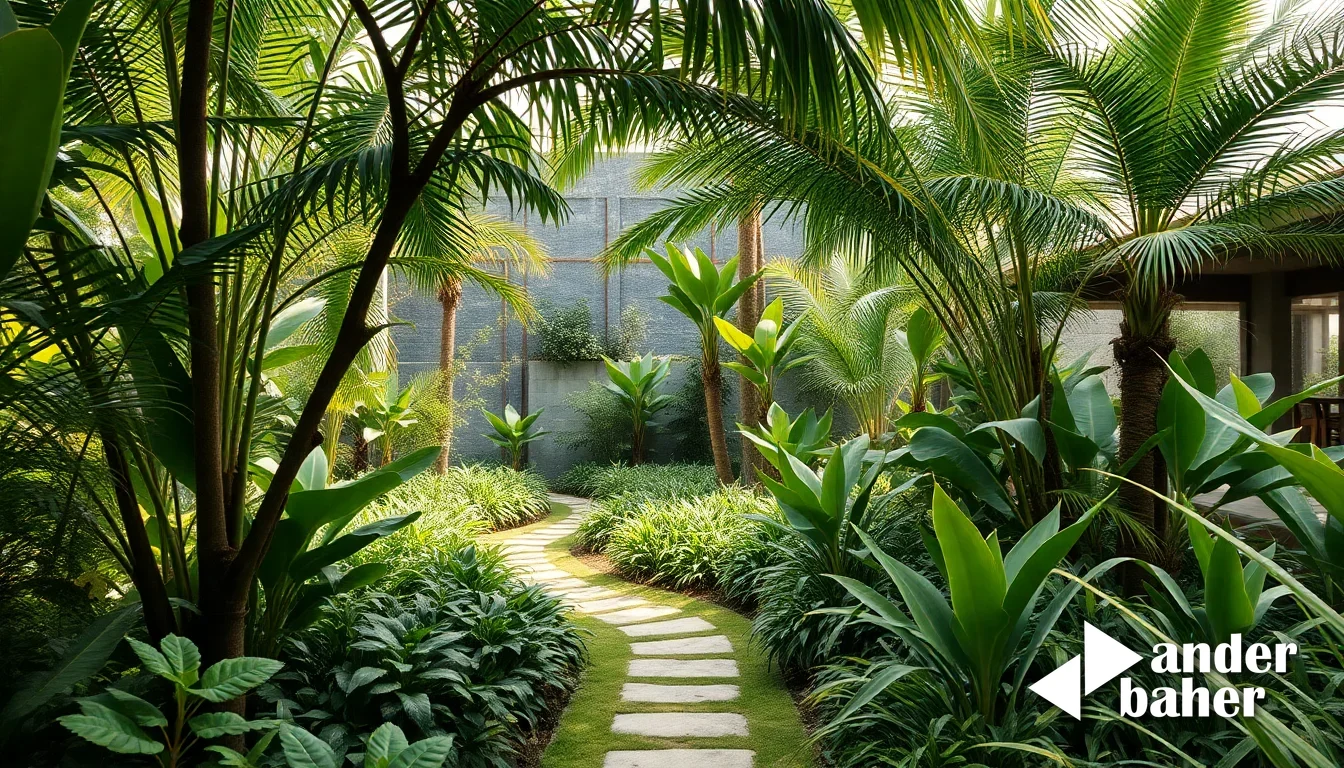
In the ever-evolving field of landscape design, where the synergy between nature and human innovation is paramount, architects and designers are finding new and exciting ways to incorporate technology into their projects. In this blog post, we will explore the fascinating world of technology and its intersection with landscape design. From the use of drones for site analysis to the integration of AR/VR in visualizing designs, and the implementation of smart irrigation systems, we will delve into the innovative tools that are revolutionizing modern landscaping practices.
Drones: Elevating Site Analysis
The use of drones in landscape design has soared to new heights – quite literally! Drones offer an elevated perspective that was previously unattainable, enabling architects and designers to capture detailed images and videos of the site. These bird's-eye views not only reveal topographical nuances but also provide valuable insights into the play of light, shadow, and microclimates, which influence plant selection and placement.
Drones also facilitate 3D mapping, allowing designers to create accurate and highly detailed digital models of the landscape. The information obtained through drones is indispensable for decision-making in the early stages of a project, helping to optimize the design to its fullest potential. Additionally, the efficiency of site analysis using drones reduces the time and costs associated with traditional methods, making it a win-win for both designers and clients.
AR/VR: Immersive Design Visualization
Augmented Reality (AR) and Virtual Reality (VR) are transforming the way landscape designs are visualized and experienced. Designers can now immerse themselves and their clients in a realistic, three-dimensional representation of the project before it's even built. This immersive experience provides a deeper understanding of the proposed design, allowing for more informed decisions and adjustments in real-time.
Imagine being able to "walk through" a garden or park, not just on a computer screen, but with a headset that transports you to a digital world that mirrors your future reality. This technology enables architects and clients to experience the design from every angle, helping them make well-informed choices regarding layout, materials, and plant selection. It's not just a tool for the design phase but also a powerful tool for client engagement and approval.
Smart Irrigation: Sustainable Water Management
In a world where sustainability and responsible resource management are paramount, smart irrigation systems have emerged as a game-changer in landscape design. These systems employ advanced sensors, weather data, and automated controls to optimize water usage in outdoor spaces. They can adjust watering schedules based on current weather conditions and the specific water needs of each area within a landscape, ensuring water efficiency and conservation.
Additionally, smart irrigation systems can be remotely monitored and controlled through smartphone apps, allowing landscape designers and property owners to have complete control over water management, even from afar. Not only does this reduce water wastage, but it also leads to significant cost savings over time, making it a win-win for both the environment and the budget.
Incorporating technology into landscape design is more than just a trend; it's a necessity in today's world. Drones, AR/VR, and smart irrigation systems are just a few examples of how technology is revolutionizing the industry. By leveraging these tools, architects and designers can create sustainable, visually captivating landscapes that meet the demands of the 21st century while ensuring the well-being of the environment.
As we move forward, it's exciting to think about what new technological innovations will emerge in the world of landscape design. As architects and designers continue to explore these technologies, we can anticipate that our outdoor spaces will become even more captivating, sustainable, and functional. With technology as a partner, the future of landscape design is limited only by our imagination and creativity.
Facebook Twitter LinkedInStill need help?
Get in touch with us
Frequently asked
How do drones improve landscape design accuracy?
Drones capture bird's-eye views that reveal topographical nuances, microclimates, and light patterns—enabling precise 3D mapping and optimized plant placement before construction begins.
What advantage does AR/VR visualization offer over traditional landscape mockups?
Immersive VR headsets allow clients and designers to virtually 'walk through' the completed garden or park in realistic detail, enabling real-time adjustments and confident design approval before any work begins.
How do smart irrigation systems conserve water and reduce costs?
These systems use sensors and weather data to adjust watering schedules dynamically for each landscape zone, minimizing wastage while smartphone app controls enable remote monitoring—delivering both environmental and budget benefits.
Ready to transform your space — inside or out?
Tell us a little about your home or office. We'll get back within one working day.
Book a consultation