
Magazine › Garden & Landscape
How to Create Tranquil, Healing Gardens: Transform Outdoor Spaces for Well-Being
Explore the art of crafting therapeutic gardens in our blog. Learn about design principles, including accessibility, water elements, diverse plant textures, privacy and social zones, naturalistic design, seasonal adaptations, and mindful lighting. Join us on a journey to design gardens that heal and
By the Ander Baher Editorial Desk · 28 October 2023
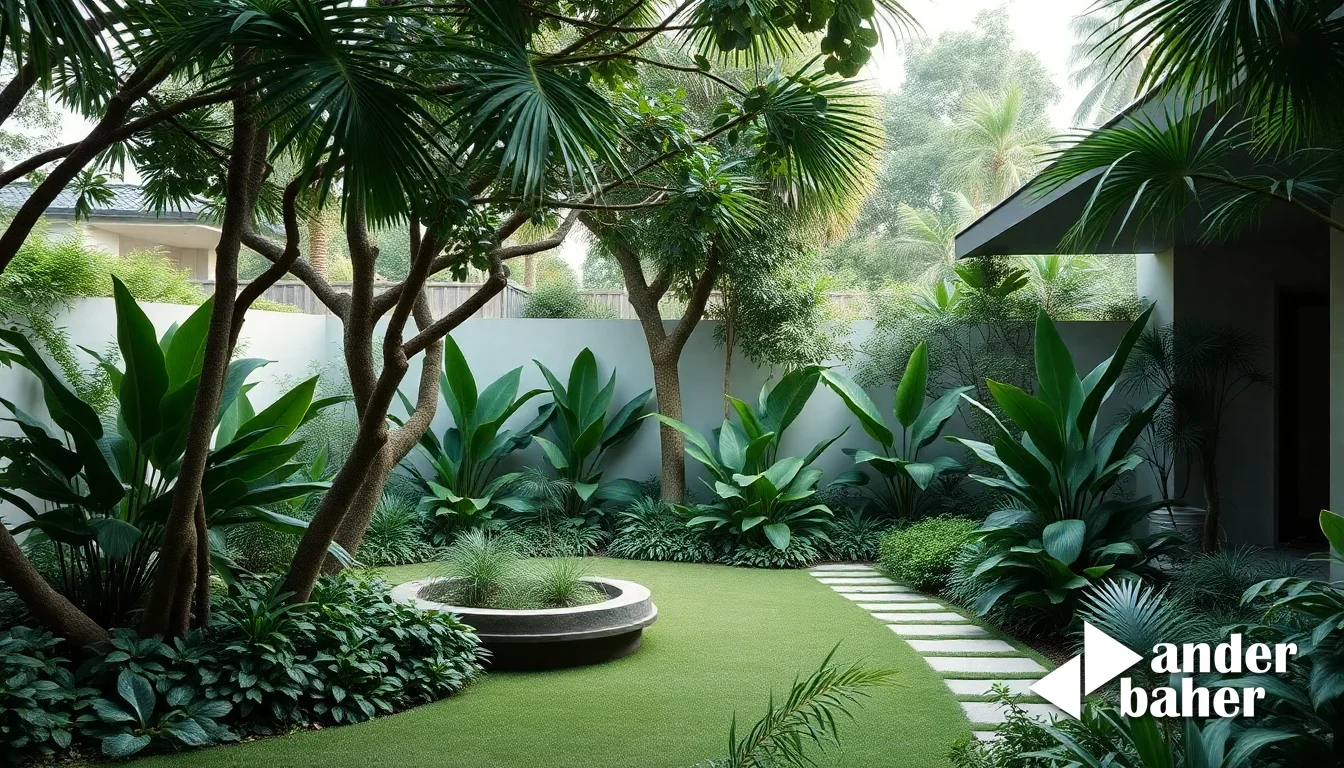
In the fast-paced world we live in today, therapeutic gardens have gained recognition for their ability to provide solace and rejuvenation. As an established architecture and design firm, you understand the significance of incorporating therapeutic gardens into your projects. These gardens go beyond aesthetics, aiming to create spaces that promote healing and well-being. In this blog, we'll explore some fundamental design principles that can help you craft therapeutic gardens that truly make a difference.
Accessibility for All: A therapeutic garden should be a haven for everyone, regardless of age or physical abilities. It's crucial to design spaces that are wheelchair-friendly and easily navigable. Consider installing ramps, handrails, and smooth pathways to ensure that all individuals can enjoy the garden. This inclusivity not only enhances the therapeutic benefits but also makes your designs more socially responsible.
Incorporating Calming Water Elements: Water has a remarkable soothing effect on the human psyche. Including elements like fountains, ponds, or gently meandering streams can significantly enhance the therapeutic quality of the garden. The sound of flowing water and the visual appeal of reflections create an oasis of tranquility. To add an extra layer of sensory stimulation, you can integrate aquatic plants and fish, further connecting visitors to nature.
Varied Plant Textures: The tactile experience in a therapeutic garden can be as essential as the visual appeal. Integrate a diverse range of plant textures, from soft, velvety leaves to spiky succulents. This variety engages multiple senses and encourages visitors to interact with the environment. Additionally, consider fragrant plants like lavender, rosemary, or jasmine, which add an aromatic dimension to the garden.
Creating Zones for Privacy and Social Interaction: A well-designed therapeutic garden should cater to a range of emotional needs. Some individuals may seek solitude and introspection, while others may need social interaction and support. To accommodate these varied needs, incorporate secluded corners with comfortable seating for introspective moments and communal spaces where people can connect and find solace in shared experiences.
Naturalistic Design and Biodiversity: Therapeutic gardens are inspired by nature, and they should reflect its complexity and harmony. Design your garden with a naturalistic approach, using native plants that support local wildlife. A diverse ecosystem not only adds visual interest but also fosters a sense of connection to the broader natural world, promoting emotional healing and balance.
Consider Seasonal Changes: A therapeutic garden should evolve and transform with the seasons. The changing colors, scents, and textures throughout the year offer visitors a dynamic experience. This connection to the seasonal cycles can be deeply grounding and comforting.
Mindful Lighting Design: The right lighting can extend the garden's therapeutic benefits into the evening hours. Soft, warm lighting can create a calming atmosphere after sunset, inviting visitors to continue their healing journey in the garden even after dark.
Designing therapeutic gardens is a blend of art and science, where aesthetics meet the profound need for healing spaces. By adhering to these design principles of accessibility, calming water elements, varied plant textures, privacy and social zones, naturalistic design, seasonal considerations, and mindful lighting, you can create truly transformative environments. These spaces will not only be a source of pride for your architecture and design firm but also a source of profound comfort and healing for those who experience them. Embrace these principles, and your projects will undoubtedly leave a lasting impact on the well-being of your clients and their communities.
Facebook Twitter LinkedInStill need help?
Get in touch with us
Frequently asked
What makes a garden truly therapeutic rather than simply ornamental?
A therapeutic garden engages multiple senses—sight, sound, touch, and smell—while prioritising accessibility and creating zones for both solitude and community. It balances aesthetics with intentional design principles that promote emotional healing and connection to nature.
How can we ensure our healing garden design welcomes visitors of all ages and abilities?
Incorporate wheelchair-friendly ramps, handrails, and smooth pathways throughout. Layer in varied plant textures and fragrant plantings to engage the senses, and create secluded seating areas alongside communal gathering spaces to honour different emotional needs.
Why include water features and native plants in a therapeutic landscape?
Water elements provide sensory richness and natural acoustics that calm the psyche, while native plantings support local biodiversity and foster a grounding sense of connection to the broader ecosystem—both essential to the healing experience.
Ready to transform your space — inside or out?
Tell us a little about your home or office. We'll get back within one working day.
Book a consultation