
Magazine › Garden & Landscape
Garden Pathway Design: Elevate Your Garden with Stunning Pathways
Enhance your garden with captivating pathways. Materials, curves, borders, focal points, and lighting blend to create an enchanting journey, making every step a visual delight. These pathways connect spaces, add structure, and transform your outdoor haven into a picturesque masterpiece that beckons
By the Ander Baher Editorial Desk · 23 October 2023
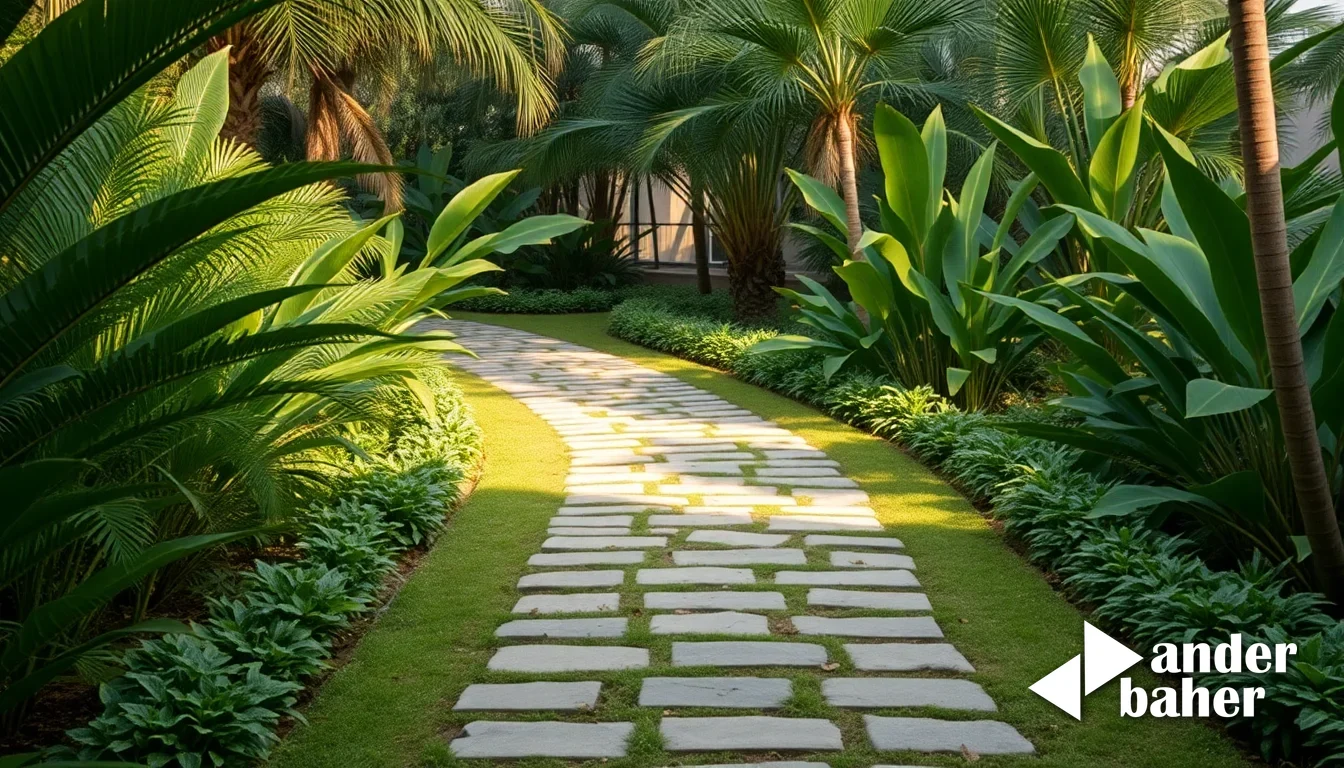
When we think of beautiful gardens, we often picture a lush landscape filled with vibrant flowers, perfectly manicured lawns, and perhaps a charming water feature. However, one element that should not be overlooked in the realm of garden design is the humble garden pathway. These winding, meandering trails serve a dual purpose - not only are they practical for navigation, but they can also be a work of art in themselves. In this blog, we delve into the aesthetics of garden pathways and explore how they add beauty and structure to gardens.
The Art of Designing Garden Pathways
Creating a garden pathway is more than just a utilitarian task; it's an art form. A well-designed pathway can transform a garden, enhancing its visual appeal and guiding the viewer's eye to various focal points. Here are some key considerations for creating a stunning garden pathway:
1. Materials Matter:
The choice of materials for your pathway plays a pivotal role in defining its aesthetics. Gravel, cobblestones, pavers, and natural stone are just a few options that can be used to create distinctive textures and colors. Each material has its unique charm, adding character to the garden.
For a more rustic feel, gravel pathways create a relaxed, cottage-like atmosphere. On the other hand, clean-cut pavers can evoke a sense of order and formality. Mixing materials can also add depth and intrigue. Blending cobblestones with grass or gravel can create a harmonious contrast.
2. Curves and Straight Lines:
The shape of your garden pathway also influences its aesthetics. Curved pathways can lead the eye gently through the garden, creating a sense of wonder and surprise as new vistas unfold. They are often used in informal or naturalistic garden designs. Straight pathways, in contrast, convey a sense of purpose and structure. They are well-suited to formal gardens and modern landscapes.
3. Plantings and Borders:
The bordering plants alongside your pathway are like the frame of a painting, enhancing the pathway's aesthetics. Consider low-growing ground covers, fragrant herbs, or colorful flowers that spill over the edges of the pathway. These additions not only soften the hardscape but also provide an ever-changing palette of colors and scents throughout the seasons.
4. Focal Points:
A well-designed garden pathway doesn't just connect points A and B; it guides the viewer's attention to particular areas of interest in the garden. Whether it's a secluded bench, a beautifully sculpted tree, or a captivating sculpture, strategically placed focal points can make the pathway a journey of discovery.
5. Lighting Magic:
Garden pathways should not just be beautiful during the day. Proper lighting can add a touch of enchantment after the sun sets. Path lights, lanterns, or embedded LED strips can create a cozy and inviting atmosphere, inviting exploration even in the twilight hours.
Maintenance and Sustainability:
While aesthetics are essential, practicality is equally important. Ensure that your garden pathway is easy to maintain. The plants, materials, and design should be sustainable and tailored to your climate and local conditions. A neglected pathway can quickly lose its charm.
The Beauty of a Well-Designed Garden Pathway
In the world of garden design, the aesthetics of garden pathways are often underestimated. However, a carefully planned and beautifully executed pathway can be the soul of a garden, enhancing its charm and structure. It invites exploration, engages the senses, and offers a delightful journey for both the gardener and the visitor.
So, whether you're a homeowner looking to enhance your garden or a landscape architect designing a masterpiece, remember that the aesthetics of garden pathways should not be an afterthought. They are, in fact, the paths to beauty and structure in the world of garden design.
Facebook Twitter LinkedInStill need help?
Get in touch with us
Frequently asked
What materials work best for a premium garden pathway that requires minimal maintenance?
Natural stone, quality pavers, and cobblestones offer durability and timeless aesthetics; their choice depends on your garden's style—formal designs favour clean-cut pavers, while naturalistic landscapes suit textured stone blends. Local climate and drainage should inform the final selection.
How can curved versus straight pathways change the perception of a garden space?
Curved pathways create a sense of discovery and flow through informal landscapes, while straight lines impose structure and formality. The choice should reflect your garden's overall design intent and how you wish visitors to experience the space.
Why is lighting important in garden pathway design?
Thoughtful pathway lighting extends the garden's usability into evening hours and creates ambiance; embedded LEDs, lanterns, and ground-level fixtures can transform a daytime feature into a nocturnal experience that enhances safety and mood.
Ready to transform your space — inside or out?
Tell us a little about your home or office. We'll get back within one working day.
Book a consultation