
Magazine › Garden & Landscape
From Soil to Soul: The Medicinal Magic of Indian Gardens
Discover the secrets of serenity and vitality in the heart of India's lush landscapes with our captivating blog, 'The Healing Green: Medicinal Plants in Indian Landscapes.' Journey through a rich tapestry of culture and design, as we delve into the age-old tradition of incorporating medicinal plants
By the Ander Baher Editorial Desk · 23 October 2023
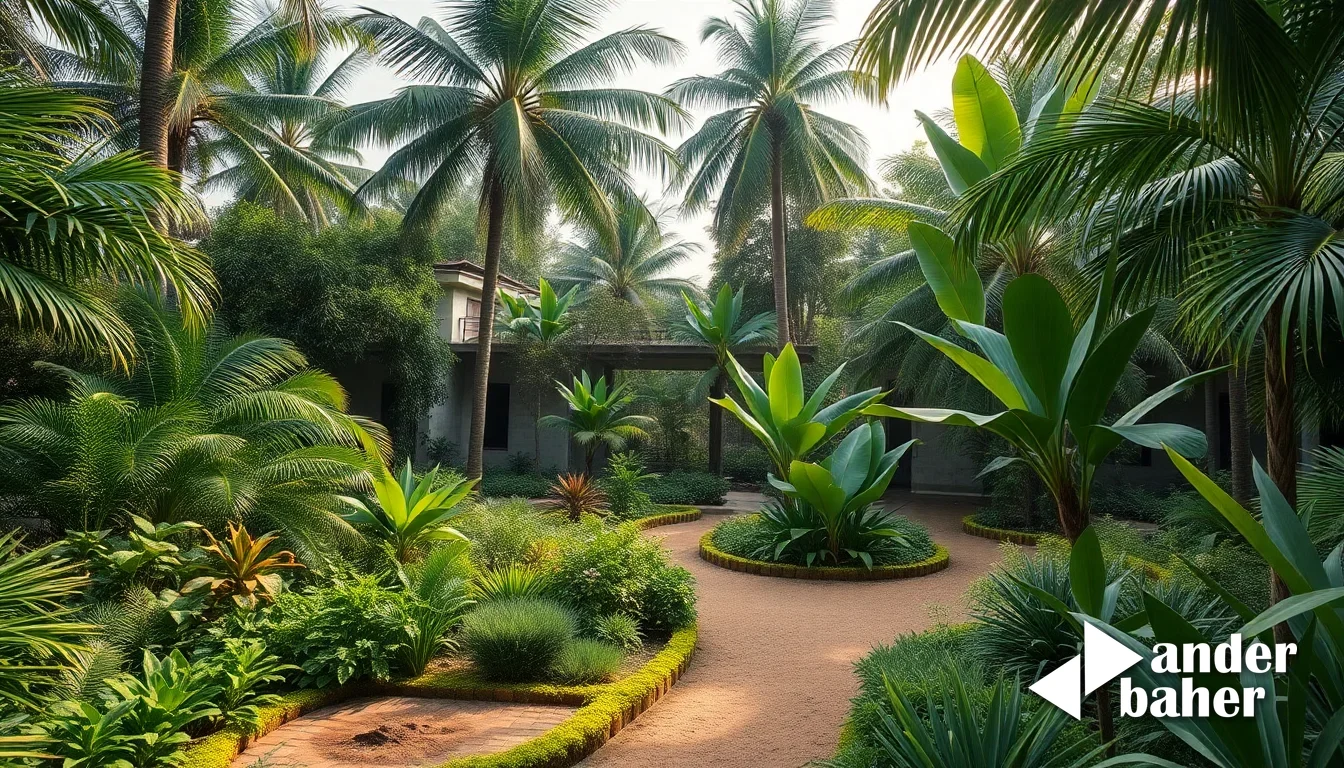
In a world where stress and fast-paced living have become the norm, finding solace in the tranquil embrace of nature is a universal desire. And what better way to nurture your body and mind than by surrounding yourself with the bountiful gifts of Mother Earth? In the heart of India's rich landscape lies an age-old tradition of incorporating medicinal plants into gardens, creating spaces that not only captivate the eye but also heal the soul. Today, we explore the invaluable role of medicinal plants in Indian landscapes and how they can be seamlessly integrated into modern gardens by design and architecture firms.
The Connection between Medicinal Plants and Indian Culture:
India's connection to medicinal plants is deeply rooted in its ancient culture and traditions. Ayurveda, an ancient system of natural healing, relies heavily on the use of herbs and plants for their therapeutic properties. These plants are considered to be the source of energy, balance, and well-being, making them an integral part of Indian life.
For centuries, Indians have recognized the healing properties of plants like Tulsi (Holy Basil), Aloe Vera, Neem, and Ashwagandha, incorporating them into their gardens and daily routines. The time-honored practice of using these plants has slowly but steadily gained recognition worldwide, as modern science continues to validate the medicinal properties of these green wonders.
Designing Gardens with Medicinal Plants:
Incorporating medicinal plants into modern landscape design is not only aesthetically pleasing but also a nod to India's cultural heritage. Here are some remarkable plants with medicinal properties that can transform any garden:
Tulsi (Holy Basil): Revered as the "queen of herbs" in India, Tulsi is known for its adaptogenic properties, which help combat stress and anxiety. Its delightful aroma and beautiful green leaves make it a must-have in any garden.
Aloe Vera: Renowned for its soothing and healing properties, Aloe Vera is an easy-to-maintain plant that can provide relief from skin conditions and minor burns.
Neem: With its bitter leaves and potent medicinal properties, Neem is often called "nature's pharmacy." It can purify the air and offer numerous benefits for skin and hair health.
Ashwagandha: Known as Indian Ginseng, Ashwagandha is an adaptogenic herb that helps in reducing stress and boosting immunity. It can be a striking addition to your garden with its vibrant red berries.
Lavender: While not native to India, Lavender is a fragrant herb that has been embraced for its relaxation-inducing properties. Its soothing scent and vibrant purple blooms can bring a sense of calm to any garden.
Mint: Mint is not just a refreshing addition to your drinks but also a valuable herb with digestive and medicinal properties. It's a versatile plant that can thrive in various garden settings.
Creating a Healing Oasis:
Design and architecture firms have an essential role to play in making gardens that reflect the essence of medicinal plants. Here are a few design principles to consider:
Biodiversity: Integrate a variety of medicinal plants in your garden to create a diverse, dynamic space.
Sensory Experience: Incorporate elements that engage all the senses - the sight of lush green leaves, the aroma of herbs, and the touch of various textures.
Thematic Zones: Divide the garden into sections, each dedicated to a specific set of plants, enabling a focused approach to healing and relaxation.
Education: Use signage or guided tours to educate visitors about the properties and uses of these plants, fostering a deeper connection to the garden.
Incorporating medicinal plants into Indian landscapes isn't just a design choice; it's a celebration of India's rich cultural heritage and the timeless wisdom of Ayurveda. These gardens offer not only a visual treat but also a sanctuary of healing and rejuvenation. So, when planning your next garden project, consider the healing power of these remarkable plants, and let them inspire your design, infusing your spaces with life, vitality, and serenity.
As design and architecture firms continue to weave the tapestry of nature into their projects, the role of medicinal plants in Indian landscapes becomes more pronounced, reminding us of the potent connection between design and wellness.
Facebook Twitter LinkedInStill need help?
Get in touch with us
Frequently asked
How can I design a medicinal garden that complements modern architecture?
Divide your garden into thematic zones, each dedicated to specific healing plants like Tulsi and Neem, while incorporating sensory elements—fragrance, texture, and visual rhythm—that align with contemporary landscape principles and your home's aesthetic.
Which medicinal plants thrive in Indian climates and require minimal maintenance?
Tulsi, Neem, Aloe Vera, Ashwagandha, and Mint are exceptionally hardy in Indian conditions; they adapt to various soil types and light conditions, making them ideal for both urban balconies and sprawling estates.
What is the connection between Ayurvedic gardens and wellness design?
Ayurveda recognizes medicinal plants as sources of balance and energy; integrating them into your landscape creates spaces that heal both body and mind, transforming your garden into a sanctuary of rejuvenation rooted in ancient Indian wisdom.
Ready to transform your space — inside or out?
Tell us a little about your home or office. We'll get back within one working day.
Book a consultation