
Magazine › Garden & Landscape
Experience the Magic of Sensory Gardens in Cities
Discover the transformative power of sensory gardens in our latest blog, where we delve into how these immersive, nature-infused spaces are reshaping urban architecture through biophilic design. Learn how integrating sight, sound, touch, taste, and smell into city landscapes not only enhances aesthe
By the Ander Baher Editorial Desk · 29 January 2024
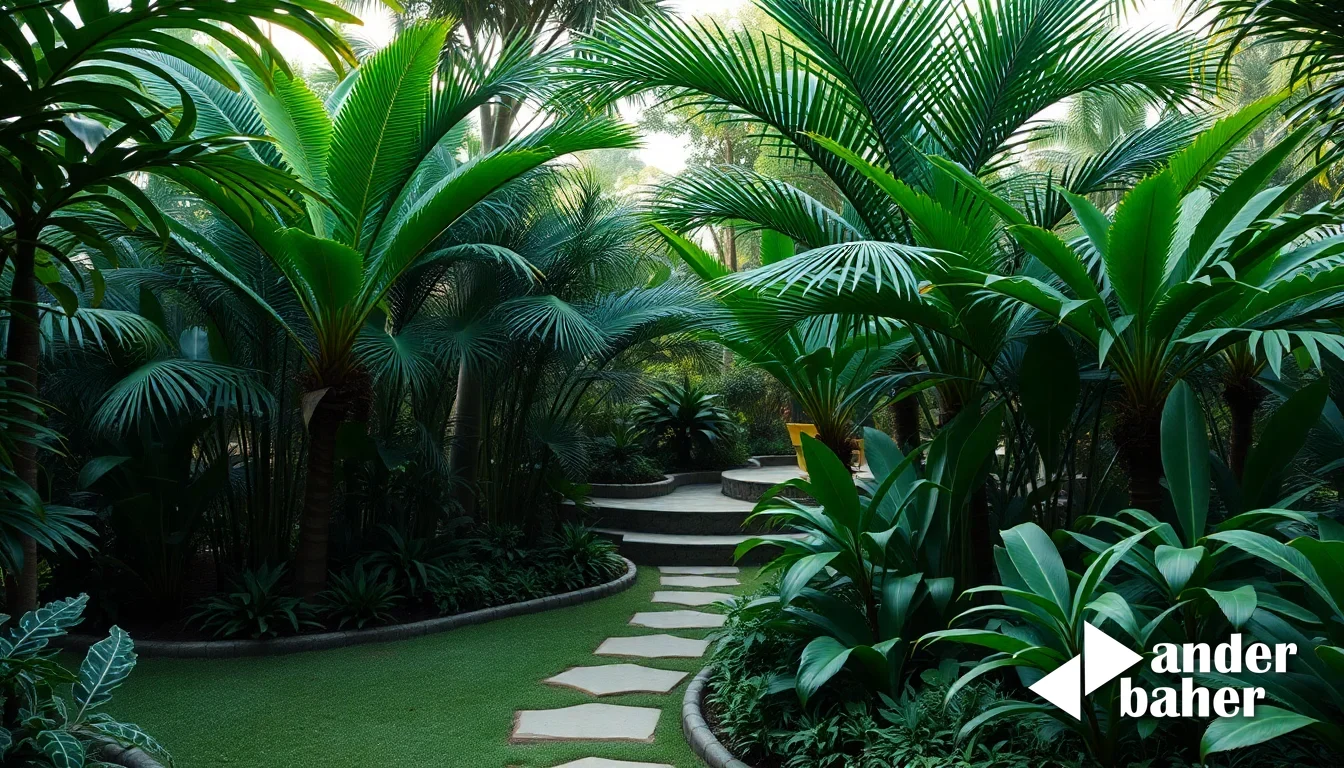
As urban landscapes continue to expand, the integration of nature into architectural design has become not just a luxury, but a necessity. Sensory gardens, the latest trend in urban biophilic design, are at the forefront of this integration. These unique spaces are designed to stimulate all five senses, creating an immersive natural experience in the heart of the city. In this article, we will explore the concept of sensory gardens, their benefits, and why they are becoming a pivotal element in modern urban architecture and design.
What are Sensory Gardens? Sensory gardens are thoughtfully designed landscapes that provide an interactive environment where visitors can engage with nature through sight, smell, touch, taste, and sound. These gardens are not just visually appealing; they are spaces where every element is chosen to provide a sensory experience. From fragrant flowers and rustling leaves to textured plants and edible herbs, sensory gardens are a feast for the senses.
The Importance of Biophilic Design in Urban Areas: Biophilic design, which incorporates natural elements into building design, recognizes the inherent human need to connect with nature. In urban areas, where green spaces are limited, sensory gardens offer a much-needed natural oasis. These gardens not only enhance the aesthetic appeal of a space but also provide environmental and psychological benefits, such as improved air quality and reduced stress levels.
Design Elements of a Sensory Garden:
- Visual Stimuli: Vibrant colors and varied textures are used to create a visually stimulating environment.
- Tactile Experiences: Incorporating different materials like smooth stones, rough bark, and soft moss invites visitors to touch and feel.
- Aromatic Plants: Fragrant plants like lavender, jasmine, and rosemary add a delightful olfactory dimension.
- Edible Flora: Herbs and fruit trees offer the opportunity to taste and engage more deeply with the garden.
- Auditory Elements: The inclusion of water features, wind chimes, and rustling foliage enhances the auditory experience.
Benefits of Sensory Gardens in Urban Design:
- Enhanced Well-being: Sensory gardens promote relaxation and mental well-being, offering a tranquil retreat from urban stress.
- Improved Biodiversity: These gardens support local wildlife, such as birds and butterflies, increasing urban biodiversity.
- Educational Value: Sensory gardens can be educational tools, teaching visitors about different plant species and their uses.
- Community Engagement: They foster a sense of community by being inclusive and accessible spaces for all ages and abilities.
Sensory Gardens in Practice: Successful sensory gardens can be found in various urban settings, from public parks to rooftops and even within corporate landscapes. These gardens are tailored to their environment and the community they serve. For example, a sensory garden in a school may focus more on educational elements, while one in a residential area might emphasize relaxation and tranquility.
Sensory gardens represent a harmonious blend of nature and architecture, epitomizing the essence of urban biophilic design. They are more than just a design trend; they are a testament to the evolving relationship between humans and their built environment. As an architecture and design firm committed to sustainable and innovative design, we believe that sensory gardens are not just an addition to urban spaces but a necessary component for healthier, happier, and more connected communities.
Are you interested in integrating a sensory garden into your next project? Contact us to discover how our expertise in biophilic design can bring your vision to life, creating spaces that resonate with nature and nurture the human spirit.
Facebook Twitter LinkedInStill need help?
Get in touch with us
Frequently asked
How do sensory gardens improve well-being in urban homes?
By engaging all five senses through curated plant selections, tactile materials, and water features, sensory gardens create a restorative retreat that alleviates urban stress and fosters mental clarity—essential in dense city environments.
What plants work best for a sensory garden in Indian cities?
Fragrant species like jasmine and rosemary, herbs such as mint and basil, and tactile elements like moss and textured bark thrive in metropolitan gardens, while edible flora adds functional richness to the sensory experience.
Can sensory gardens be integrated into small urban balconies or terraces?
Yes—thoughtfully scaled sensory gardens suit compact spaces, layering aromatic plants, textured containers, and miniature water features to create an immersive natural refuge without requiring expansive square footage.

Ready to transform your space — inside or out?
Tell us a little about your home or office. We'll get back within one working day.
Book a consultation