
Magazine › Garden & Landscape
Essential Benefits of Native Plants in Landscape Design
Discover the vital role of native plants in modern landscaping. Our blog explores the significance of native flora in promoting sustainability, supporting wildlife, and preserving cultural roots. Join us as we delve into the world of architecture and design, where advocating for local plants is crea
By the Ander Baher Editorial Desk · 30 October 2023
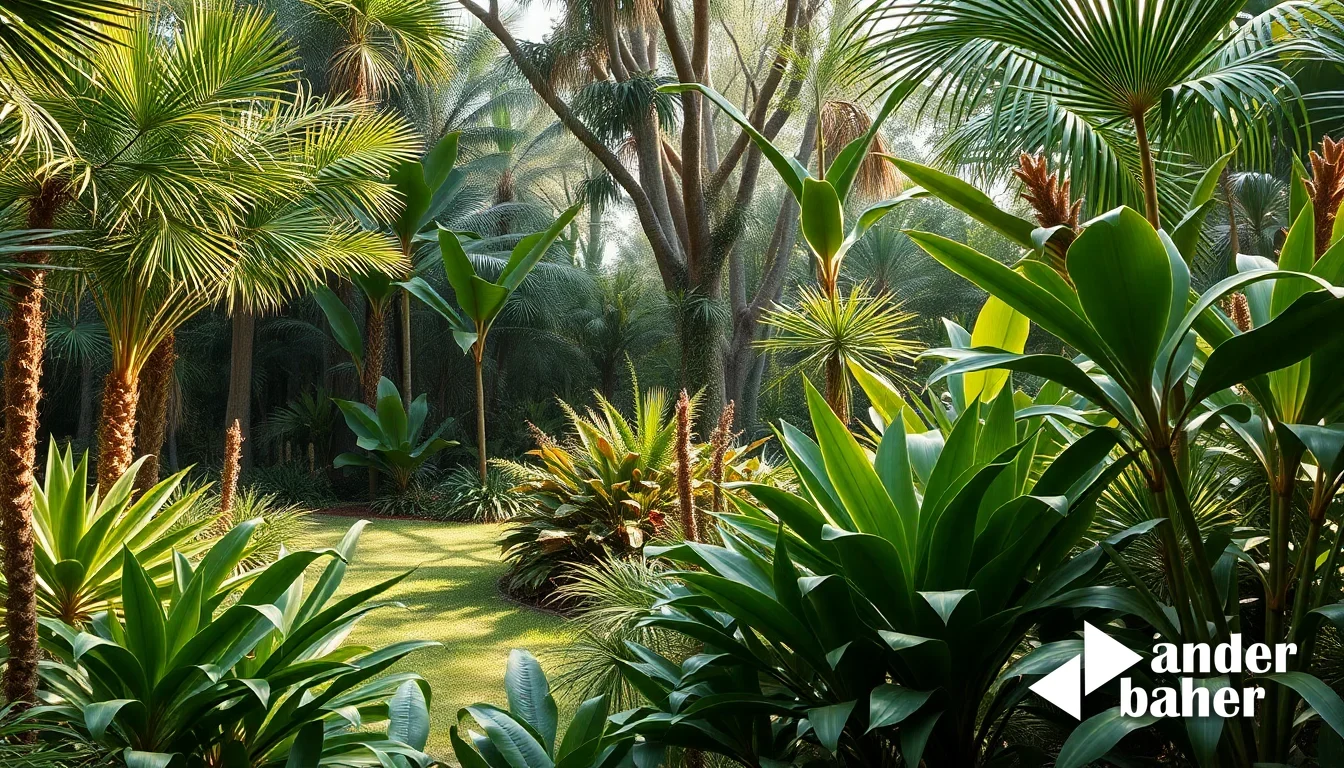
In the world of architecture and design, the focus has shifted towards creating sustainable and environmentally conscious spaces. One crucial aspect of this shift is the recognition of the significance of native plants in landscaping. Native plants are not just aesthetically pleasing, but they also play a pivotal role in supporting biodiversity, preserving cultural heritage, and contributing to the overall health of our planet. In this blog post, we will delve into the reasons why integrating native plants into your landscaping projects should be a top priority for any forward-thinking design firm.
Supporting Biodiversity:
Native plants are an integral part of their respective ecosystems. They have evolved over thousands of years to adapt to their surroundings, which means they provide essential habitat and food sources for local wildlife. When we incorporate native plants into our landscaping designs, we create a welcoming environment for insects, birds, and other wildlife, fostering biodiversity in our urban and suburban areas. This not only helps conserve local species but also contributes to the broader global ecosystem.
Sustainability in Landscaping:
Sustainability is at the core of modern design principles. By using native plants in landscaping, you reduce the need for excessive irrigation, chemical fertilizers, and pesticides. These plants are already adapted to the local climate and soil, making them hardier and more resilient. This, in turn, lowers maintenance costs and promotes water conservation, which is particularly critical in arid regions or during periods of drought. Native plants contribute to a sustainable landscape design that conserves resources and reduces the carbon footprint of your projects.
Cultural Resonance:
Every region has a unique cultural history, and native plants often hold significant cultural and historical importance. They are a link to the past, representing the botanical heritage of a particular area. Incorporating native plants into your designs can connect people to their roots and traditions. It's a way to honor the heritage of the land and create landscapes that resonate with the local community.
Improved Aesthetics:
Native plants can be as visually stunning as exotic species, and they often blend seamlessly into the natural surroundings. By choosing native plants, you can create landscapes that look like they belong, enhancing the overall aesthetic appeal of your architectural projects. These plants also attract local wildlife, adding a dynamic and ever-changing element to your designs.
Resilience and Low Maintenance:
Native plants are naturally adapted to local conditions, making them more resilient and less susceptible to disease and pests. This means less maintenance and fewer ongoing costs for your clients. In the long run, this can make your projects more attractive and cost-effective.
Incorporating native plants into your landscaping designs is not just a trend; it's a sustainable choice that has far-reaching benefits. By advocating for local flora, you contribute to the preservation of biodiversity, support sustainable practices, connect with local cultures, enhance aesthetics, and reduce long-term maintenance costs. It's a win-win for the environment, your clients, and the communities you serve. As architects and designers, it's our responsibility to champion these principles and create spaces that harmonize with nature while leaving a positive impact on our world.
Facebook Twitter LinkedInStill need help?
Get in touch with us
Frequently asked
Why should I choose native plants for my landscape design project?
Native plants are adapted to local climate and soil, requiring less irrigation, fertilizer, and maintenance while supporting local biodiversity and cultural heritage. They create resilient, sustainable landscapes that harmonize with their environment.
Do native plants offer the same aesthetic appeal as exotic species?
Native plants can be equally visually stunning and often blend more authentically into natural surroundings. They attract local wildlife, adding dynamic seasonal interest while enhancing the overall visual coherence of architectural projects.
How do native plants reduce long-term landscaping costs?
Their natural adaptation to local conditions makes them hardier and more disease-resistant, dramatically lowering maintenance requirements, water consumption, and chemical inputs—delivering significant cost savings over the life of the project.
Ready to transform your space — inside or out?
Tell us a little about your home or office. We'll get back within one working day.
Book a consultation