
Magazine › Garden & Landscape
Elevate Your Garden with Innovative Sustainable Landscaping
Explore the magic of sustainable landscaping in our new blog. Learn how native plants, eco-friendly practices, and smart water management can transform your outdoor space into a green haven. Join us in creating a brighter, more eco-friendly world, one garden at a time.
By the Ander Baher Editorial Desk · 23 October 2023
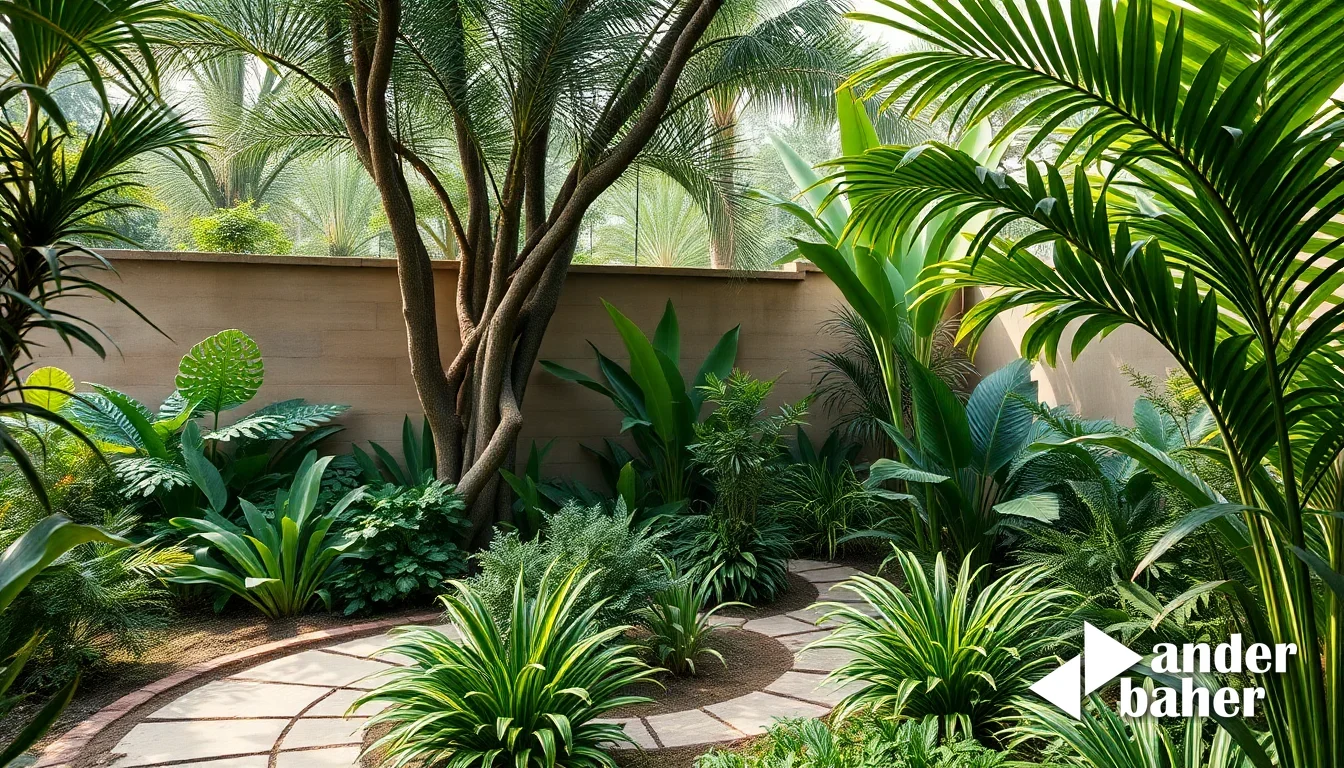
Sustainable Landscaping: Create Eco-Friendly Gardens for a Greener Future
In a world increasingly focused on environmental conservation, our outdoor spaces offer an excellent opportunity to make a positive impact. Sustainable landscaping practices are not just beautiful; they also play a vital role in supporting a healthier planet. In this guide, we’ll explore how you can create lush, eco-friendly landscapes that not only enrich your life but also help preserve the Earth.
Why Native Plants Matter
To start your journey toward sustainable landscaping, it’s essential to choose native plants. These species are naturally suited to your region’s climate and soil. As a result, they require less water and fewer pesticides. In addition, native plants provide a habitat for local wildlife. They also add a sense of belonging to your garden by showcasing the unique beauty of your area.
Smart Water Management Techniques
Water conservation is a key aspect of sustainable landscaping. Therefore, it's important to explore ways to manage water efficiently. Drip irrigation systems, rain barrels, and smart irrigation controllers are excellent tools to reduce water waste. Moreover, consider collecting rainwater for your garden or choosing drought-tolerant plants that require less water once they’re established.
Boost Soil Health with Composting
Healthy soil is the foundation of any thriving garden. Composting is a sustainable way to manage organic waste, and it naturally enriches your soil. Furthermore, compost improves soil structure and retains moisture, which helps reduce the need for synthetic fertilizers. Over time, these practices will lead to a healthier and more sustainable garden.
Use Integrated Pest Management (IPM)
When it comes to pest control, Integrated Pest Management (IPM) offers an eco-friendly solution. Instead of relying on chemical pesticides, IPM uses biological controls, cultural practices, and non-chemical methods. For example, encouraging beneficial insects like ladybugs and bees can help maintain a natural balance. Thus, your garden thrives without harming the environment.
Hardscaping for Sustainability
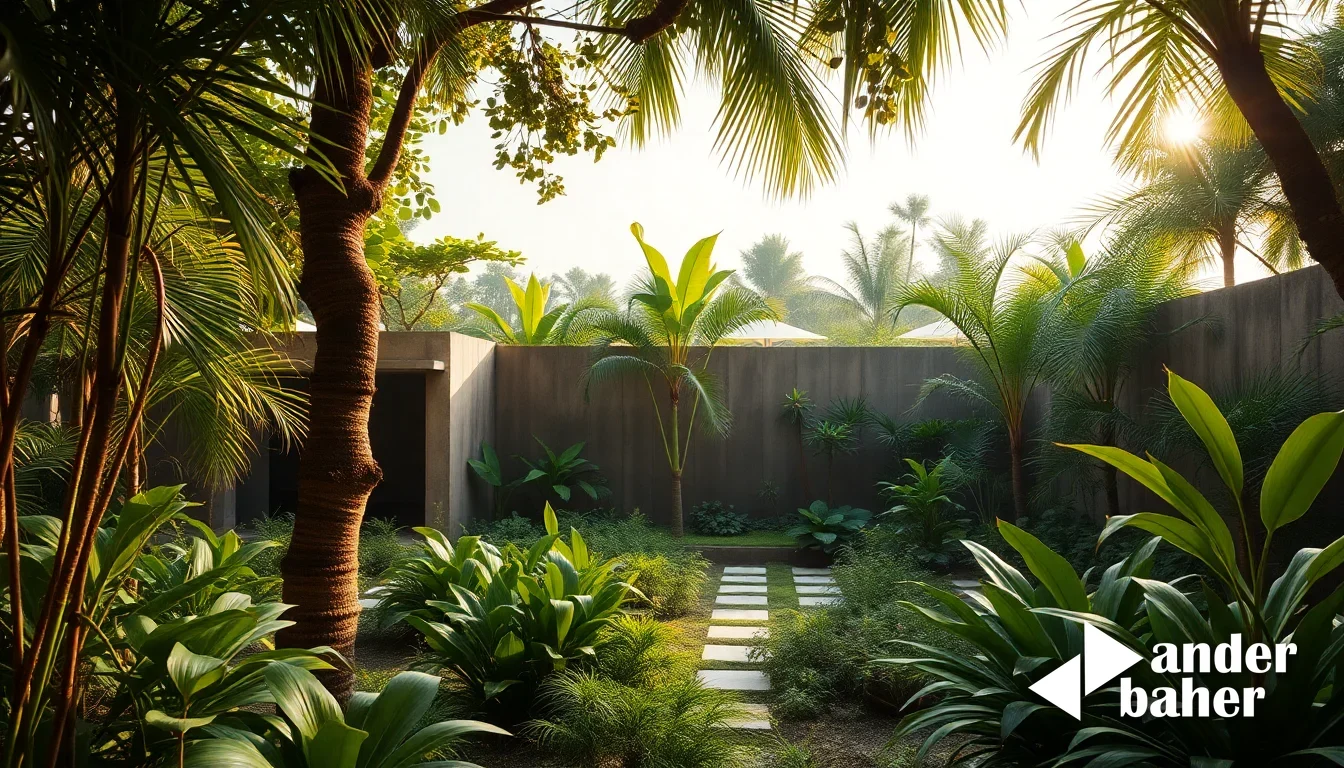
Sustainable landscaping isn’t only about plants. Hardscape features, such as walkways and patios, are equally important. By choosing eco-friendly materials like permeable pavers and recycled products, you can reduce your garden’s environmental footprint. Additionally, permeable pavers allow rainwater to absorb into the ground, helping prevent runoff and soil erosion.
Promote Biodiversity with Wildlife Habitats
Another key element of sustainable landscaping is promoting biodiversity. Creating wildlife-friendly spaces with bird feeders, birdbaths, and native plants will attract pollinators and other wildlife. This helps foster a thriving ecosystem, contributing to the overall health of your garden.
Maintain Your Garden the Eco-Friendly Way
To keep your garden sustainable, adopt eco-friendly maintenance practices. For instance, use hand tools and electric equipment instead of gas-powered ones. You can also reduce the frequency of mowing and allow certain wild areas to thrive naturally. Every effort counts when it comes to preserving the environment.
Conclusion: Embrace Sustainable Landscaping for a Greener Future
In conclusion, sustainable landscaping is more than a trend; it’s a commitment to protecting the planet. By choosing native plants, conserving water, improving soil health, and promoting biodiversity, you’re not only enhancing your outdoor space but also making a positive contribution to the environment. Let’s all embrace sustainable practices, one garden at a time, to create a greener, healthier future.
Facebook Twitter LinkedInStill need help?
Get in touch with us
Frequently asked
What are the main benefits of using native plants in sustainable landscaping?
Native plants are naturally suited to your region's climate and soil, requiring significantly less water and fewer pesticides while providing essential habitat for local wildlife and reflecting your area's unique ecological character.
How does Integrated Pest Management differ from traditional chemical pesticides?
IPM relies on biological controls, cultural practices, and non-chemical methods—such as encouraging beneficial insects like ladybugs—to maintain natural garden balance without environmental harm.
Why are permeable pavers considered sustainable hardscaping?
Permeable pavers allow rainwater to absorb into the ground rather than creating runoff, reducing soil erosion and flooding while minimizing your garden's overall environmental footprint.
Ready to transform your space — inside or out?
Tell us a little about your home or office. We'll get back within one working day.
Book a consultation