
Magazine › Architecture
When Concrete Finds a Second Life: Building with Circularity
A Mumbai pavilion built from reclaimed industrial materials points toward a quieter architecture—one where waste becomes structure, and impermanence becomes wisdom.
By the Ander Baher Editorial Desk · 10 September 2026
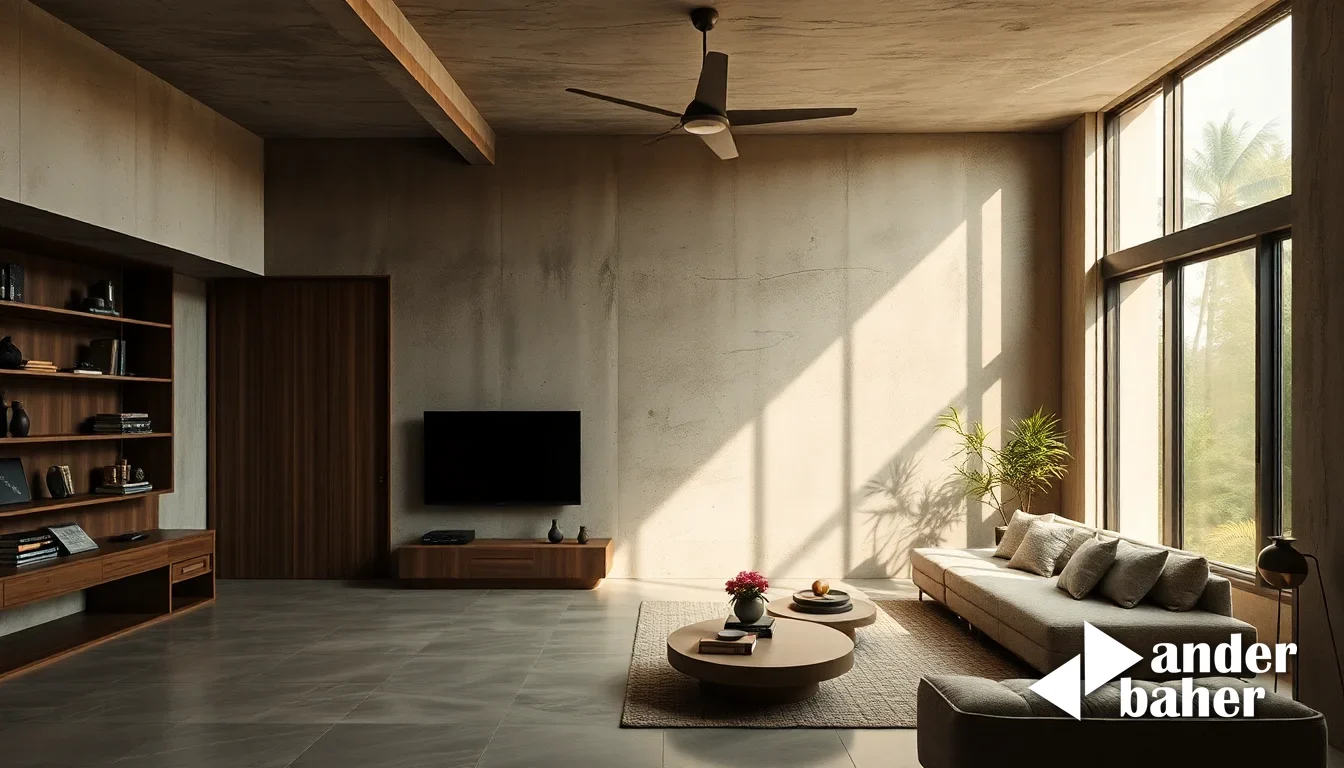
In the teeming industrial corridors of Mumbai, where old factories jostle against new development, something unexpected has begun to shift. Architects are learning to read the discarded materials scattered across construction sites—not as refuse, but as a vocabulary waiting to be spoken. A recent pavilion constructed from sectioned and repositioned industrial pipes suggests a possibility many Indian homes have yet to embrace: that the most honest architecture often arrives second-hand.
The instinct to clear away and begin anew runs deep in how we approach our spaces. When renovating a Bangalore bungalow or a Mumbai flat, we demolish; we source new. The waste streams swell. Yet there is something architecturally and philosophically compelling about working with what already exists—materials that carry their own geometry, weathering, and structural logic.
The Grammar of Reuse
Industrial pipes, in their original life, follow a singular purpose: they move things through space. Cut and rotated, they propose something different. They create rhythm without uniformity. They offer structural honesty—you see exactly what holds the pavilion aloft. There is no hiding behind finishes or ornament. This kind of clarity resonates with the best examples of Indian modernism: think of the raw concrete and exposed joinery in Balkrishna Doshi's residences, or the material plainness of early Brutalist institutions in Delhi.
When these materials are suspended—hung rather than planted—they introduce a lightness that defies their industrial weight. The pavilion hovers. It does not colonise the ground so much as negotiate with it. For those designing courtyards, terraces, or garden structures in urban Indian homes, this approach offers a practical lesson. Your materials need not be new. They need only be understood—rotated, refined, and repositioned until they speak a language your space recognises.
A Model for Urban Homes
Consider the typical renovation challenge in a Mumbai apartment or a Bangalore villa: limited budgets, constrained timelines, and the pressure to perform newness. Yet some of the most compelling interiors emerge when designers work with what they find—a structural column becomes a design feature, original terracotta tiles guide the colour palette, old beams are exposed and celebrated. The industrial pavilion offers permission to think this way at larger scale.
The palette of Indian industrial cities is rich and untapped. Reclaimed brick, salvaged timber from old mills, cast-off metal frameworks—these materials arrive with texture and story already embedded. They do not demand you complete them; they ask you to reconsider them. A garden pavilion suspended from repurposed industrial elements becomes not just shelter, but evidence of a different way of thinking about what constitutes good design.
The Quiet Strength of Impermanence
There is wisdom in the provisional. The pavilion's rotated, suspended structure acknowledges that our needs shift, our spaces evolve. Nothing is forever. Rather than fighting this truth with permanent installations that will one day become waste themselves, this approach embraces flexibility. The same materials, reconfigured, might serve another purpose tomorrow.
For homeowners in India's growing cities, this shift—from accumulation to circulation, from new to renewed—is less about trend and more about necessity. As urban density increases and resources grow scarce, the homes that will feel most generous and alive are those that learned to read their own found materials, and to build from what was already there.
Sources & further reading
- designboom — cut, rotated, and suspended concrete pipes create reusable pavilion in mumbai ↗
- designboom — 2,977 lights recreate twin towers over new york harbor 25 years after 9/11 ↗
- designboom — inside the serpentine world of javier senosiain’s quetzalcóatl park ↗
- Dezeen — Tactile wallcoverings have become a "defining force" in luxury interiors says Selected Wallpapers ↗
An original Ander Baher perspective, informed by the coverage above.
Ready to transform your space — inside or out?
Tell us a little about your home or office. We'll get back within one working day.
Book a consultation