
Magazine › Architecture
Building With Impermanence: Timber Pavilions and the Indian Home
When temporary structures teach us about lasting design—how seasonal pavilions reveal a deeper philosophy for building in India's climate.
By the Ander Baher Editorial Desk · 5 September 2026
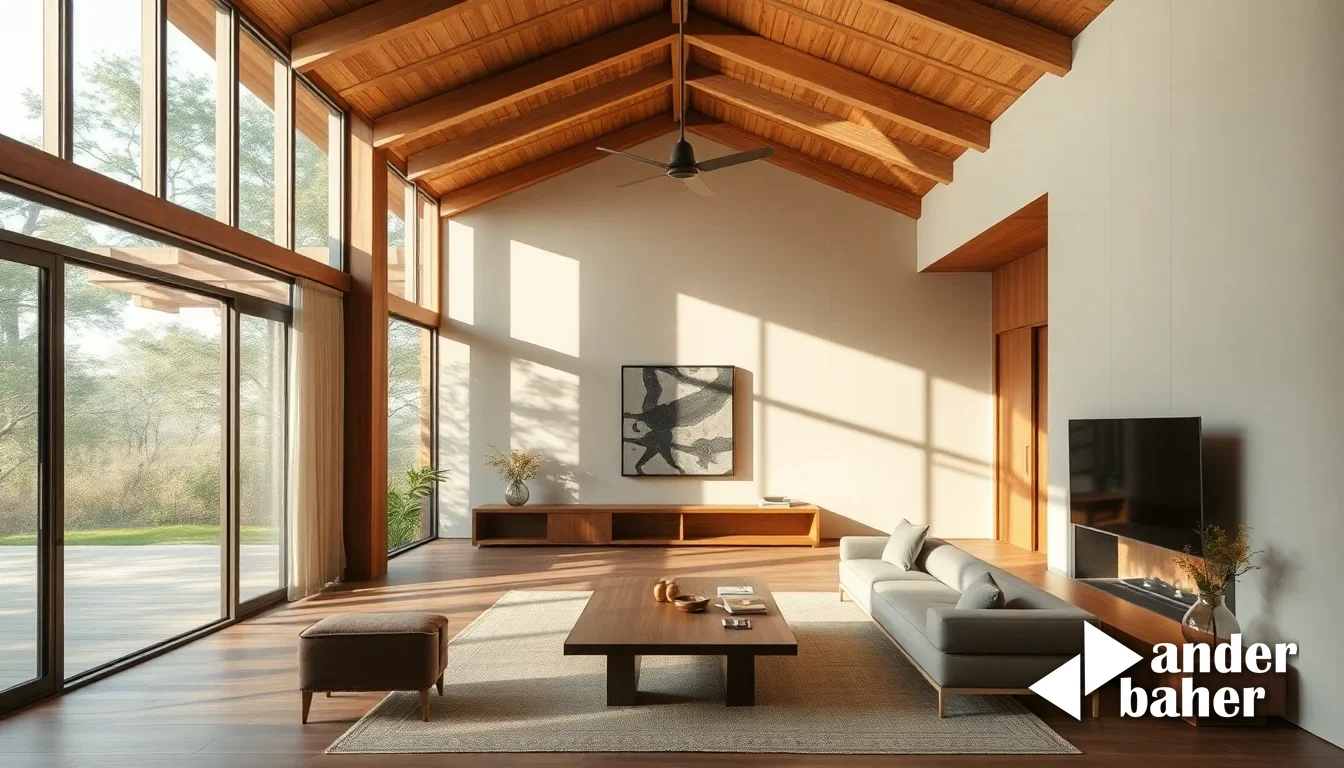
There is a quiet rebellion in designing something meant to dissolve. A pavilion built for a single season, crafted from wood that will eventually weather and return to earth, asks us to reconsider what permanence means in architecture. For Indian homeowners accustomed to thinking of houses as lifetime investments, this philosophy—of building thoughtfully yet impermanently—offers an unexpected perspective.
The Impermanent as Teacher
Temporary timber structures occupy a peculiar space in contemporary design. They are built with rigour and intention, yet designed to age, transform, or be dismantled. This stance has deep roots in Japanese architectural philosophy, where acceptance of transience is woven into the craft itself. The choice of materials—untreated cedar, cypress, or reclaimed structural timber—matters profoundly. These woods develop character over time; they crack, silver, and settle in ways that concrete and steel never will.
For those designing homes in India's climate zones, this approach carries unexpected relevance. Our monsoons, heat, and humidity create their own impermanence. A pavilion designed for seasonal use in a Bangalore garden, or a Mumbai terrace structure built to weather retreating each season, begins to align with how nature actually works in our latitudes. Rather than fighting this reality with sealed, climate-controlled permanence, what if we designed with seasonal rhythms?
Material Honesty in Tropical Climates
Reclaimed and salvaged timber brings another layer to this conversation. When you build with wood recovered from older structures, you're inheriting its history—the weathering, the patina, the proven performance in local climate. A pavilion constructed from materials already tested by decades of Indian weather carries knowledge in its grain. It settles differently than virgin wood. It ages with less surprise.
The structural clarity of exposed timber frames—whether supporting a garden pavilion or a covered outdoor living space—also teaches residents something valuable: how a building actually stands. You see the joints, the load paths, the logic. In an era of hidden services and black-box construction, this transparency feels almost radical. A timber pavilion with visible structure becomes a quiet conversation about how things hold together.
Designing for Change
Building something temporary doesn't mean building it carelessly. A pavilion designed to host a season of monsoons requires the same structural integrity as a permanent room—perhaps more, because it has no margin for complacency. This precision, this respect for the work, is what elevates a seasonal shelter from a temporary expedient to genuine architecture.
For Indian homes, this might translate into moveable structures—a timber pavilion for the garden that can be reconfigured or partially dismantled as seasons shift. A covered outdoor room that breathes rather than seals. Materials chosen not just for beauty but for their ability to weather gracefully, to age into deeper character rather than decline into neglect.
When we accept that impermanence is not a failure of design but perhaps its truest expression, we begin to build differently. Not with resignation, but with clarity about what actually matters—shelter, beauty, honest materials, and the knowledge that everything changes. A pavilion standing for one season teaches us more about living in India's climate than a sealed box built to deny it ever could.
Sources & further reading
- designboom — temporary pavilion uses cedar, cypress, and reclaimed CLT for japan’s forest festival ↗
- Dezeen — Surrane Design uses "stages of the rice plant" to tone Thai restaurant in New York ↗
- Dezeen — Fourteen must-see exhibitions and installations at London Design Festival 2026 ↗
- designboom — le studio d’orphée and the home-studio of new wave director jean-luc godard ↗
An original Ander Baher perspective, informed by the coverage above.
Ready to transform your space — inside or out?
Tell us a little about your home or office. We'll get back within one working day.
Book a consultation